
The New Homeowners' Guide to Scheduling Your Tree Work
Becoming a homeowner is an exciting milestone filled with possibilities, but it also comes with a brand-new set of exterior maintenance responsibilities. Among the most crucial elements of your property’s landscape are its mature trees and young saplings. Trees add immense curb appeal, provide energy-saving shade, and elevate property values. However, maintaining their health, safety, and aesthetic beauty requires proactive scheduling and expert care. Partnering with professional local tree services helps new homeowners navigate tree care schedules with confidence, ensuring their residential canopy remains vibrant, structurally sound, and secure for years to come.
For first-time buyers, understanding when and how often to arrange for tree maintenance can feel overwhelming. Different tree species, growth stages, and seasonal conditions dictate distinct care requirements. By establishing a structured tree management plan early on, homeowners can prevent costly storm damage, eliminate safety hazards, and promote healthy, robust growth across their entire property.
Taking a strategic approach to tree care means moving away from reactive emergency responses and adopting routine maintenance habits. When you collaborate with established professionals, you gain valuable insights into your landscape's unique needs, allowing you to budget effectively and protect your home investment from preventable outdoor issues. Investing time into understanding your yard's ecosystem pays continuous dividends in environmental beauty and peace of mind.
Understanding Tree Maintenance Timelines by Age
One of the most important factors when scheduling tree maintenance is recognizing that young trees and mature trees require vastly different care cycles. Developing trees need structural guidance to form strong branch frameworks, whereas established trees focus on crown maintenance, deadwood removal, and health preservation.
According to The Spruce, young trees under five years old should be pruned every one to two years, while mature trees typically only need trimming every three to five years. Adhering to this age-based guidelines ensures that young saplings develop proper central leaders and balanced limb spacing while giving mature specimens the time needed to thrive without unnecessary stress. Consulting experienced local tree services allows new homeowners to accurately assess the age and condition of every tree on their property and set up a tailored care schedule.
Failing to prune young trees early in their lifespan can lead to structural defects like co-dominant stems or weak branch unions that become major liability risks as the tree matures. Investing in early developmental pruning creates a solid foundation, significantly reducing the likelihood of severe branch failure when the tree reaches full size. Early training cuts are smaller, heal faster, and guide the tree into a safer growth habit for decades to come.
Seasonal Timing: When is the Best Time for Tree Work?
While minor deadwood removal and hazard mitigation can be performed year-round, major trimming, structural pruning, and health evaluations are best scheduled during specific seasons. For most deciduous species, dormant season pruning—typically late fall through late winter—offers significant physiological advantages.
Pruning during dormancy minimizes sap loss, reduces stress on the tree, and prevents the spread of airborne fungal diseases and insect infestations that are active during warmer months. Furthermore, with leaves gone, arborists have a clear, unobstructed view of the tree's structural architecture, making it easier to identify diseased, rubbing, or compromised branches. Scheduling winter care with trusted local tree services often provides faster booking turnarounds and keeps your trees primed for vigorous spring growth.
Conversely, late spring and summer are ideal times for identifying deadwood within dense canopies and assessing overall leaf health. Professional arborists can evaluate foliage density, identify pest damage, and carry out light cosmetic trimming to maintain clearance from roofs, power lines, and pedestrian walkways. Summer pruning can also be used strategically to slow down overly vigorous branch growth and manage overall canopy volume.
Conducting a Post-Closing Property Walkthrough
Upon moving into a new home, one of your first steps should be performing a comprehensive visual assessment of your yard's trees. Look for obvious signs of structural instability, such as deep trunk cavities, fungal growth near the root flare, heavy leaning, or dead limbs hanging over your roof, driveway, or outdoor living spaces.
If you notice suspicious decay or branches encroaching on utility lines, scheduling an evaluation with certified local tree services should be an immediate priority. Professional technicians can conduct risk assessments, identify hidden internal rot, and recommend precise treatments or removals before high winds or heavy snow loads cause severe property damage.
Additionally, review your home insurance policy to understand how tree-related damages are covered. Most insurance carriers expect homeowners to perform reasonable property maintenance; neglecting known tree hazards could complicate claims if a fallen branch damages your structure. Proactive inspections provide essential documentation of responsible property stewardship and help avoid unexpected financial burdens.
Integrating Pruning, Trimming, and Disease Management
Effective tree care is comprehensive, blending structural pruning, thinning, crown reduction, and plant healthcare. Proper pruning improves air circulation and sunlight penetration throughout the canopy, inhibiting moisture-loving fungal pathogens and enhancing the overall vitality of surrounding lawn and garden beds.
Overgrown branches contacting your home's roof or siding can damage shingles, provide easy pathways for roof-invading pests like squirrels and ants, and trap unwanted moisture against building materials. Scheduling routine trimming through established local tree services ensures safe clearance around structures, preserving both your home’s exterior envelope and the tree's natural silhouette.
In addition to physical trimming, professional tree care providers monitor for soil compaction, nutrient deficiencies, and localized pest outbreaks. Implementing integrated pest management and root zone care protects your investment against invasive beetles, blights, and environmental stressors that can rapidly weaken healthy specimens. Deep-root fertilization and soil aeration can revitalize stressed urban trees, giving them the vital nutrients required to withstand seasonal extremes.
Prioritizing Yard Safety and Storm Preparedness
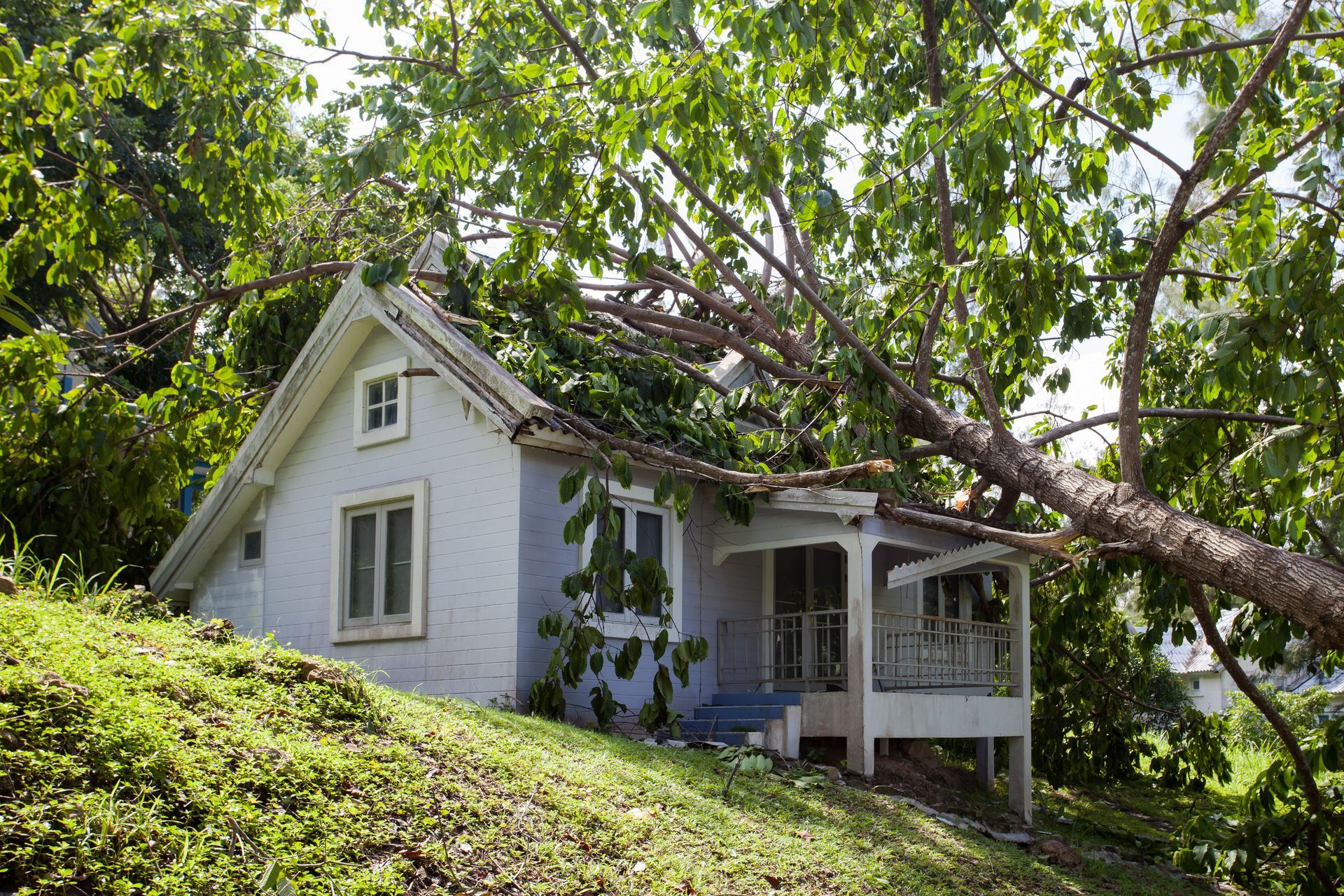
Severe weather events, high winds, and heavy winter ice storms pose a constant challenge to residential trees. Unmaintained or structurally compromised trees are particularly vulnerable to wind-throw, trunk splitting, and branch failure during extreme weather events. Protecting your family and home from storm damage requires ongoing risk mitigation and structural reinforcement.
Arborists can install specialized cabling and bracing systems in mature trees with co-dominant trunks or heavy, spread-out limbs. These dynamic support systems redistribute physical loads during high winds, preventing catastrophic trunk failure while allowing the tree to move naturally. By proactively strengthening vulnerable trees through professional local tree services, homeowners significantly reduce storm-related hazards without having to remove cherished mature trees.
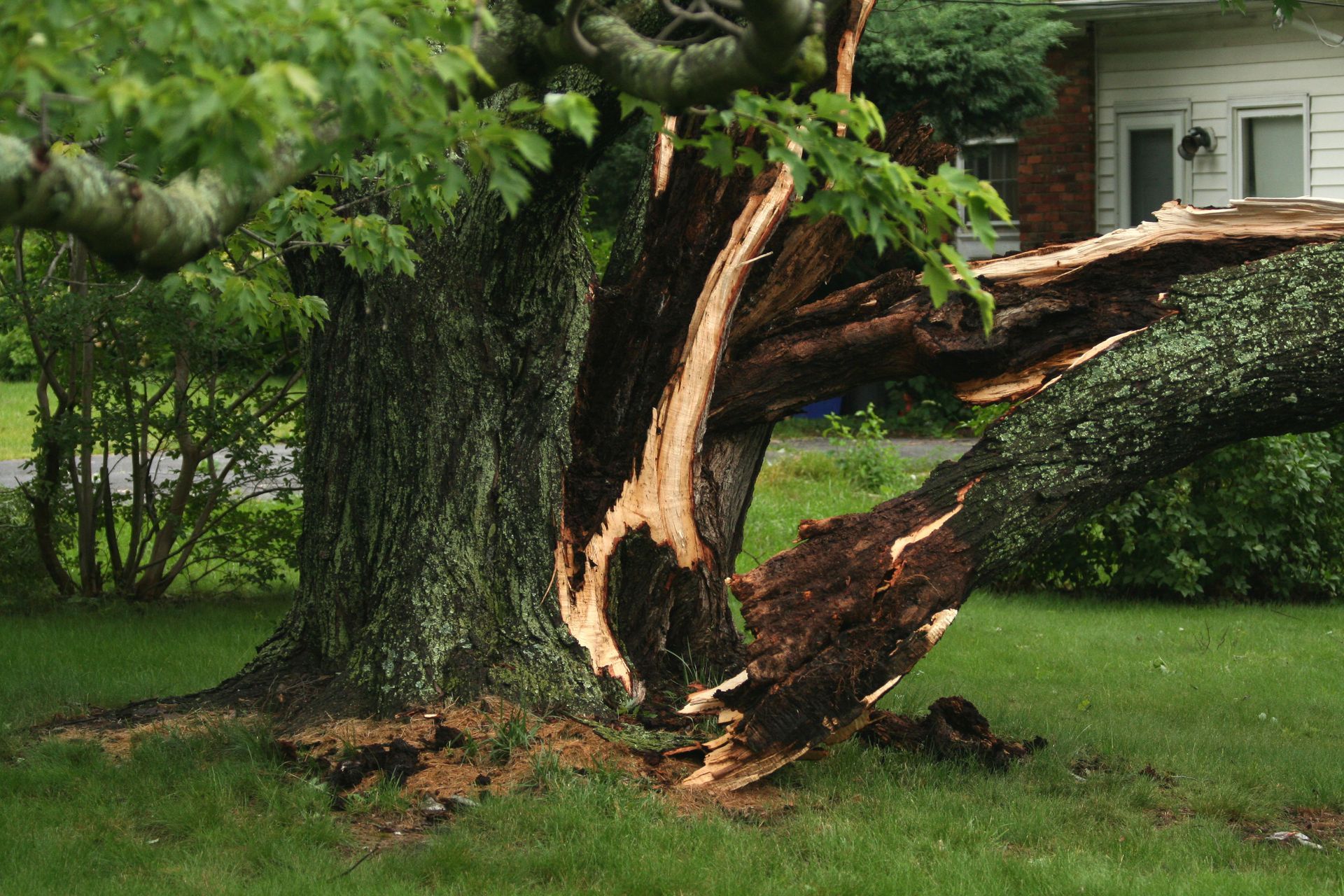
Post-storm inspections are equally vital. Following a severe weather event, checking your trees for hanging broken limbs, cracked trunks, or soil lifting near the base ensures that lingering hazards are addressed immediately before they cause unexpected injuries or property destruction.
Building a Long-Term Relationship with Professional Tree Specialists
Managing a residential landscape is an ongoing responsibility that evolves year after year. Rather than treating tree work as a series of isolated, reactive tasks, new homeowners benefit immensely from building a long-term partnership with a reputable tree care provider. A dedicated team gets to know your property's history, tracks tree growth over time, and anticipates maintenance needs before they become urgent problems.
By relying on licensed and insured
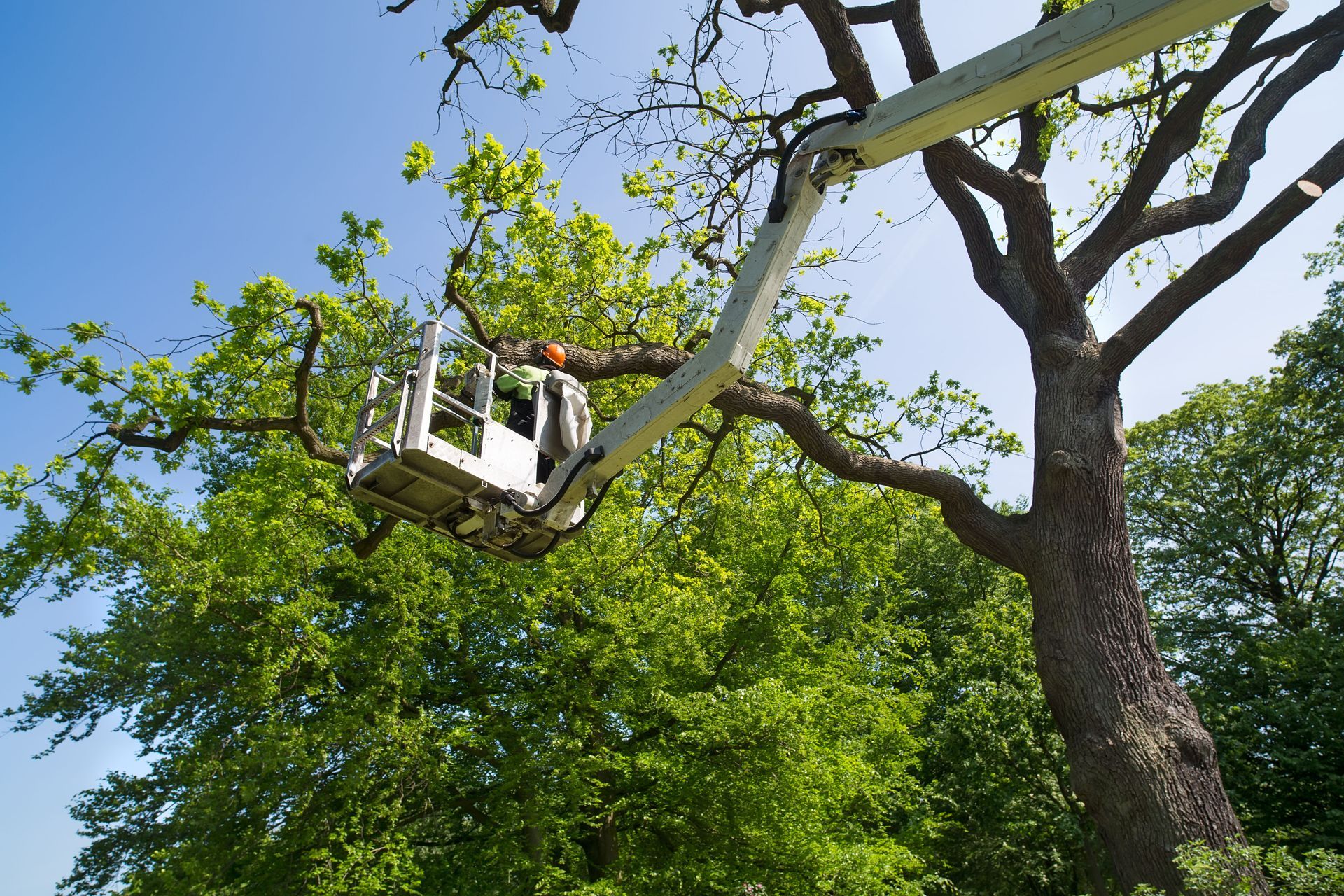
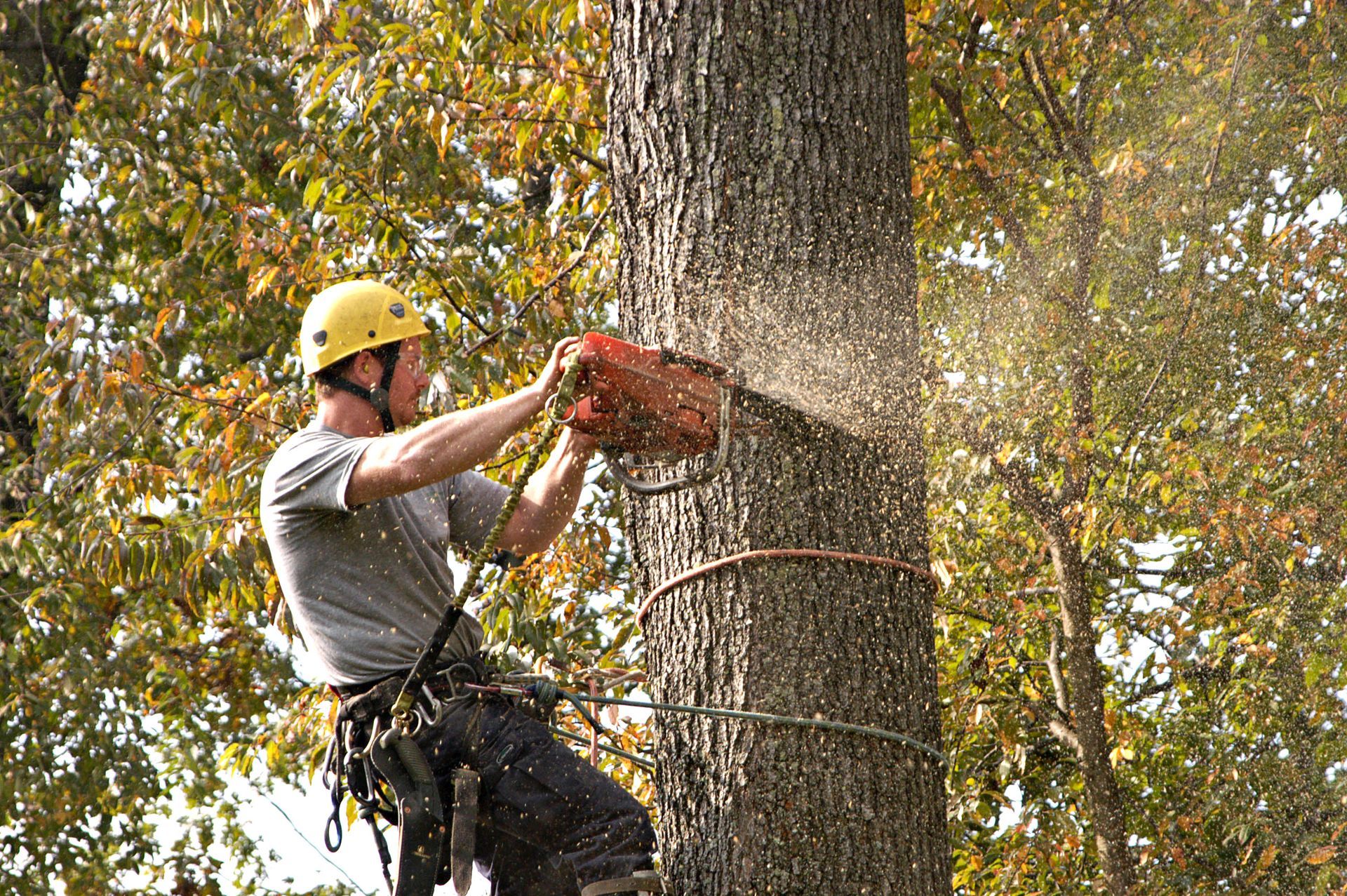
local tree services, you ensure that all work adheres to industry safety standards and proper arboricultural practices. Professional tree specialists possess the specialized rigging equipment, crane technology, and safety gear required to handle complex removals and high-altitude trimming without risking injury or property destruction.
Ultimately, proactive tree scheduling transforms your yard into a safe, beautiful, and valuable asset. By understanding maintenance cycles based on tree age, timing work seasonally, prioritizing storm preparedness, and partnering with experienced local arborists, new homeowners can enjoy peace of mind knowing their landscape is healthy, resilient, and expertly maintained for years to come. For tree work you can count on, turn to our team at 4 Seasons Tree Service.




Share On: