7 Risks of Delaying Necessary Tree Removal
Trees can add beauty, shade, and character to residential and commercial properties. Healthy trees often improve curb appeal and contribute to a more welcoming outdoor environment. However, when a tree becomes damaged, diseased, unstable, or structurally compromised, delaying professional tree removal can create serious concerns for property owners. Ignoring warning signs may allow small issues to grow into larger problems that affect safety, landscaping, and nearby structures.
Professional tree removal services help address hazardous conditions before they become emergencies. Experienced specialists can evaluate tree health, identify hidden risks, and safely remove trees that no longer belong on the property. Delaying action may increase the likelihood of costly property damage, injuries, or disruptions to everyday life.
According to Lawn Love, trees under 30 feet are typically categorized as small, while trees that reach 60 feet or taller are considered large. This distinction highlights how the size of a tree can greatly influence the complexity and danger associated with tree removal. As trees continue to grow, the risks tied to unstable or unhealthy trees can become significantly more severe.
1. Ignoring Structural Instability
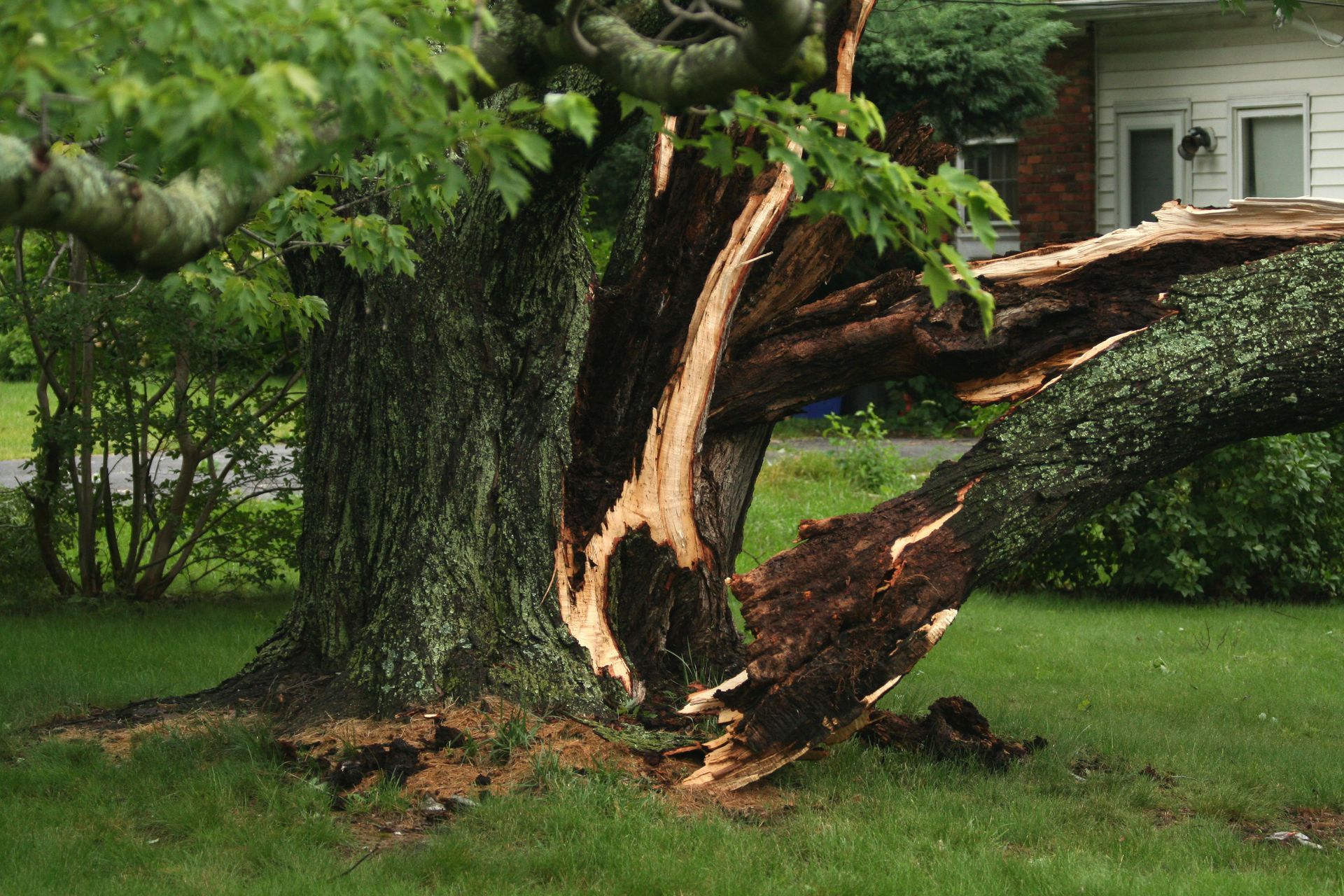
One of the most significant risks of delaying tree removal involves structural instability. Trees that have suffered storm damage, disease, decay, or root failure may no longer have the strength needed to remain upright safely. Even if the tree appears stable from a distance, internal damage can weaken the trunk or branches without obvious visual signs.
Over time, unstable trees become increasingly unpredictable. Heavy winds, rain, or even normal environmental conditions may cause large limbs or entire sections of the tree to fall unexpectedly. This creates hazards for homes, vehicles, walkways, fences, and outdoor gathering areas.
Professional tree removal services can identify structural concerns before accidents occur. Removing compromised trees promptly helps reduce the chance of sudden failures that could place people and property at risk.
2. Allowing Property Damage to Increase
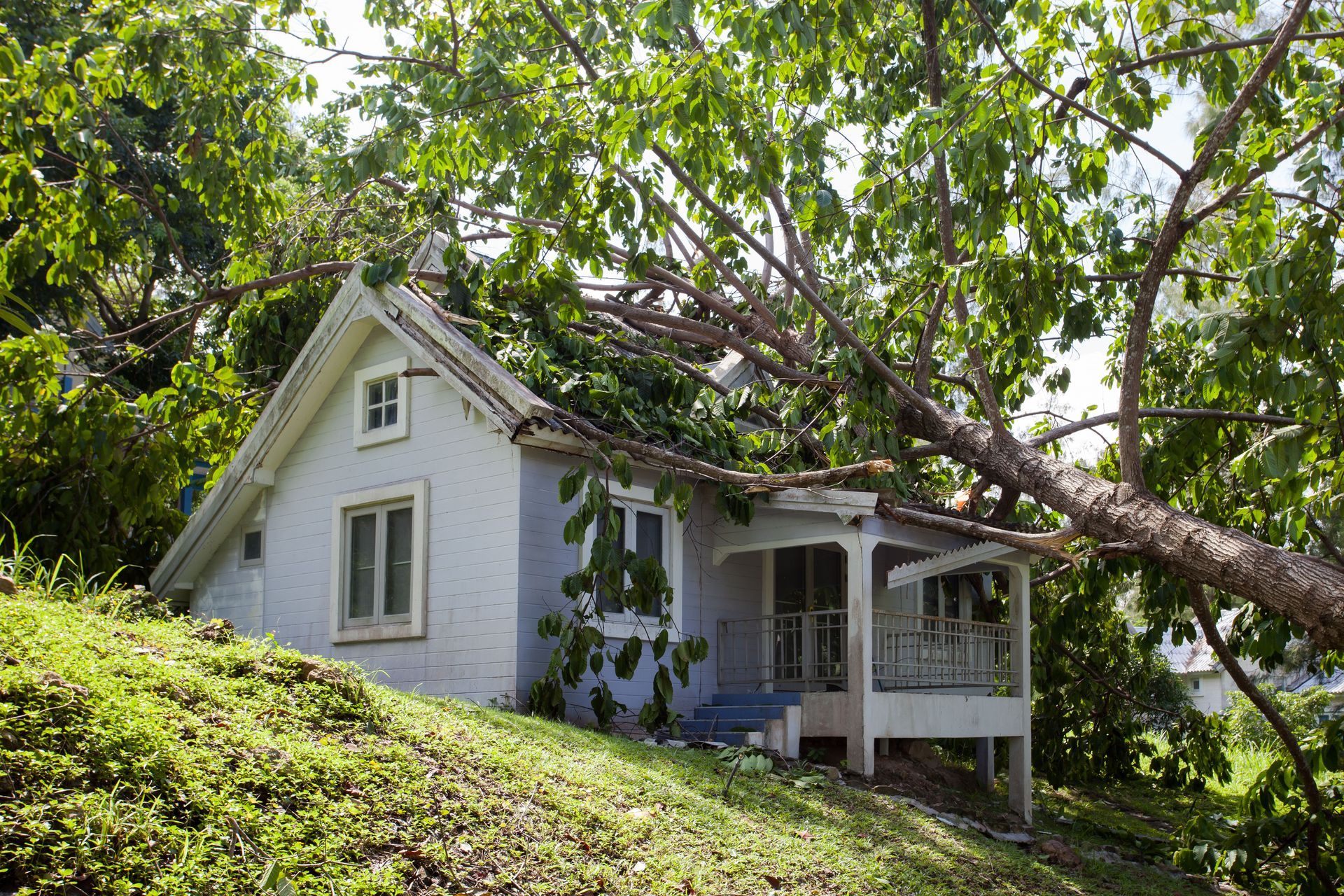
Damaged or dying trees can create extensive property damage when left untreated. Overgrown branches may scrape roofing materials, interfere with gutters, or place pressure on siding and windows. Weak limbs may break and fall during storms, causing costly structural repairs.
Tree roots can also contribute to problems below the surface. Expanding roots may interfere with driveways, sidewalks, irrigation systems, and underground utilities. In some cases, roots may shift soil conditions around foundations, creating additional concerns for property owners.
Delaying tree removal often allows these problems to worsen gradually. What may begin as a minor inconvenience can evolve into expensive repairs that affect multiple parts of the property. Professional removal helps eliminate the source of the issue before more severe damage occurs.
3. Increasing Safety Concerns Around the Property
Unsafe trees can create dangerous conditions for anyone spending time outdoors. Weak branches hanging over walkways, parking areas, patios, or recreational spaces may fall unexpectedly. This becomes especially concerning in locations with frequent storms or strong seasonal weather changes.
Children, guests, employees, and neighbors may all be exposed to risks when hazardous trees remain standing. Property owners who postpone necessary tree removal may unintentionally allow unsafe conditions to persist for extended periods.
Falling limbs are not the only concern. Entire trees can collapse without warning if root systems become unstable or if decay spreads throughout the trunk. Professional tree removal services help restore a safer environment by addressing these hazards before injuries occur.
4. Creating Opportunities for Pest Activity
Dying or decaying trees often attract unwanted pests. Insects such as termites, ants, beetles, and other wood-boring pests are commonly drawn to weakened wood and deteriorating bark. Once pests establish themselves within a tree, they may eventually spread to nearby landscaping or structures.
Rodents and wildlife may also use damaged trees as nesting areas. Hollow trunks and broken branches can provide shelter for animals that create additional issues around homes or commercial spaces.
The longer compromised trees remain on the property, the more opportunities pests have to thrive. Professional tree removal can help reduce these concerns by eliminating unhealthy trees that encourage infestations and unwanted wildlife activity.
5. Reducing the Health of Nearby Trees
Tree diseases do not always remain isolated to a single tree. Certain fungal infections, decay conditions, and pest-related problems may spread to surrounding vegetation if affected trees are not removed in a timely manner.
Healthy trees located nearby can become vulnerable when diseased trees remain untreated. Shared root systems, soil conditions, and environmental exposure may allow problems to transfer gradually throughout the landscape. This can negatively affect the overall appearance and health of the property.
Delaying tree removal may place additional trees at risk, leading to broader landscaping concerns over time. Professional evaluation and removal services help protect surrounding vegetation by addressing infected or declining trees before conditions spread further.
6. Impacting Property Appearance and Value
The condition of outdoor spaces often plays a major role in how properties are perceived. Dead, damaged, or leaning trees can create an unkempt appearance that affects curb appeal and overall property presentation.
Overgrown branches, falling debris, and visible decay may make outdoor areas appear neglected. This can be especially problematic for businesses that want to maintain a professional appearance or homeowners preparing to sell their property.
Potential buyers and visitors may view hazardous trees as signs of larger maintenance concerns. Delaying tree removal can therefore impact how a property is valued and perceived by others.
Professional tree removal helps restore a cleaner, safer, and more visually appealing landscape. Removing unhealthy trees can open space for healthier landscaping features while improving the overall appearance of the property.
7. Complicating Emergency Tree Situations
Waiting too long to remove a hazardous tree can increase the likelihood of emergencies. Severe weather events often expose weaknesses in compromised trees, causing sudden failures during storms, heavy rain, or strong winds.
Emergency tree removal situations are often more stressful, disruptive, and dangerous than planned removal services. Fallen trees may block driveways, damage structures, interfere with power lines, or limit access to parts of the property. In some cases, emergency conditions may require immediate action to prevent additional damage or safety risks.
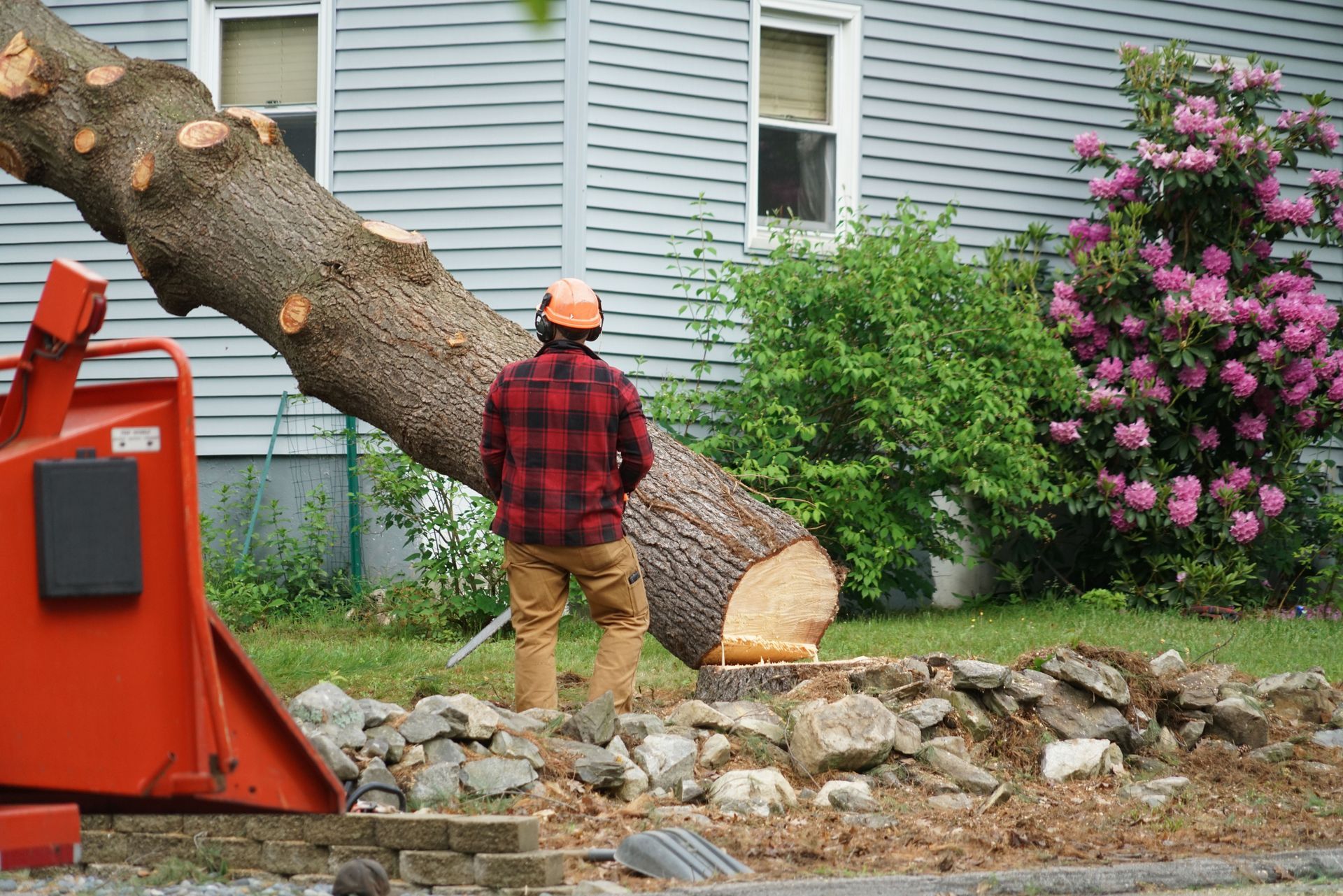
Scheduling tree removal before conditions worsen allows property owners to address concerns in a more controlled and proactive manner. Taking action early often provides more flexibility when planning the removal process, helping avoid the stress and urgency that frequently accompany emergencies. Professional crews can evaluate the condition of the tree, determine the safest removal strategy, and coordinate the work in a way that protects nearby structures, landscaping, and outdoor features. This proactive approach also helps minimize disruptions to daily routines, reduce potential safety hazards, and prevent unexpected damage that could occur if the tree fails during severe weather or other unpredictable conditions.
Delaying necessary tree removal can lead to a wide range of complications that affect safety, property condition, landscaping health, and overall peace of mind. Unstable trees may create hazards for structures and people, while disease, pests, and root problems can spread throughout the property over time. Addressing these concerns early helps reduce risks and supports a safer, healthier outdoor environment.
When hazardous trees are identified, working with experienced professionals is one of the best ways to protect the property and avoid escalating problems. At 4 Seasons Tree Service, we help property owners safely manage tree concerns with reliable solutions designed to maintain safer and more attractive outdoor spaces. Contact us today to learn how we can assist with your tree removal needs.


Share On: