
Preventing Storm Damage with Preventive Tree Trimming
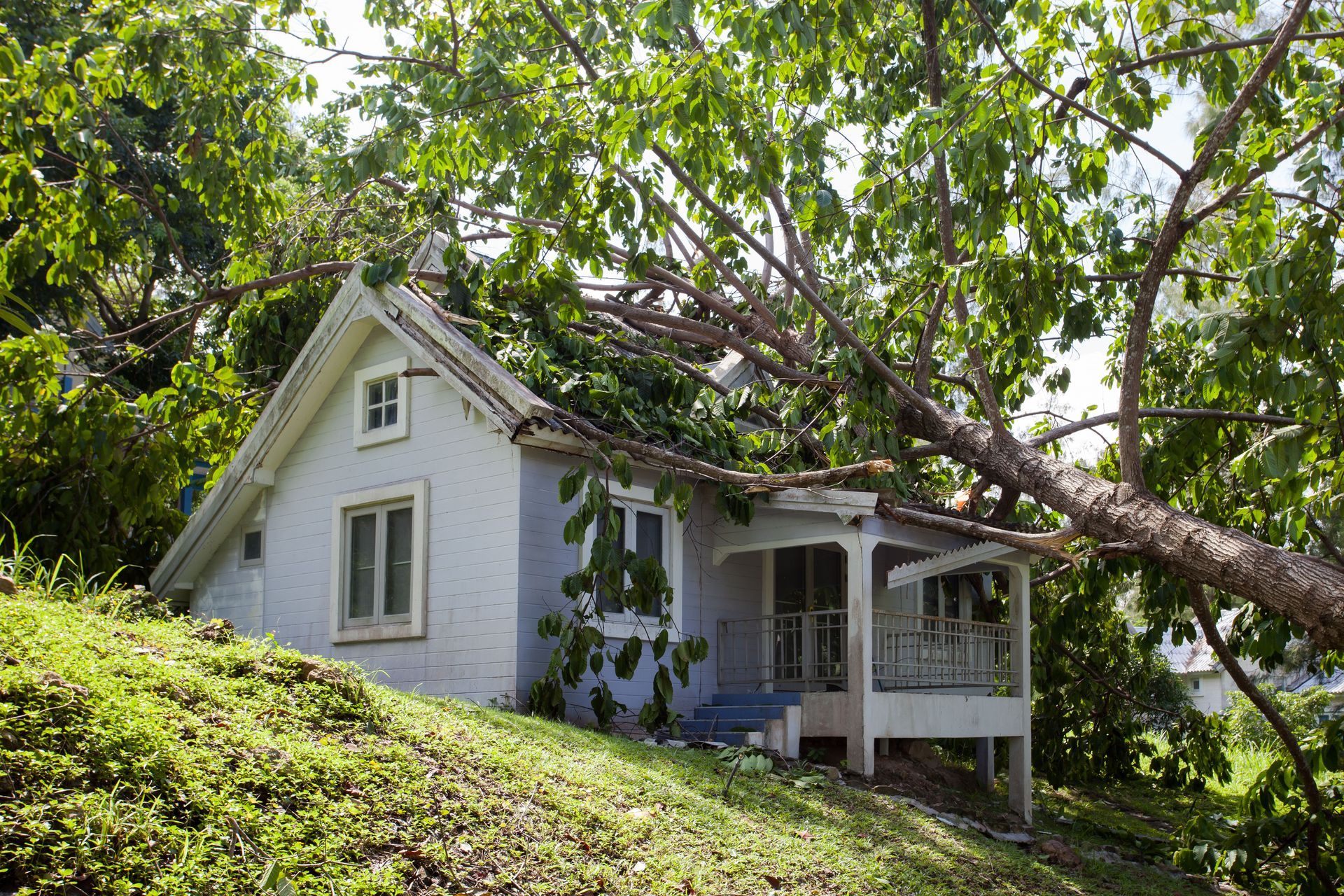
Severe weather can put enormous pressure on the trees around a home or business. Strong winds, heavy rain, snow, and ice can cause weak limbs to break, trees to split, or unstable trunks to fall onto roofs, vehicles, fences, utility lines, and other property. Although no amount of maintenance can prevent every type of storm damage, preventive tree trimming can reduce avoidable risks by addressing weak, dead, crowded, or poorly positioned branches before severe weather arrives. Working with a local tree service can also help property owners identify structural concerns that may not be obvious from the ground and create a maintenance plan suited to the trees and conditions on the property.
Inspecting Trees for Structural Weakness
Preventive trimming begins with a careful inspection. Trees can look healthy from a distance while still having dead branches, cracked unions, cavities, decay, or limbs that are poorly attached. Branches that cross and rub against one another may also become damaged over time, creating weak points that are more likely to fail during high winds. Looking for these warning signs before storm season gives property owners an opportunity to address problems while conditions are calm. An experienced local tree service can examine the canopy, trunk, and major limbs and recommend trimming when defects or hazardous growth patterns are present.
Inspection is especially important for mature trees, trees growing close to structures, and trees that have already experienced storm damage. Previous limb loss can change weight distribution in the canopy and create new stress points. Leaning trunks, exposed roots, fungal growth, or large dead sections may also indicate concerns that trimming alone cannot correct. In these situations, an inspection can help determine whether selective pruning, cabling, removal, or another approach should be considered. Evaluating the whole tree rather than focusing only on one visible branch provides a better foundation for storm preparation.
Removing Dead and Damaged Branches
Dead and damaged branches are among the most obvious targets for preventive trimming. Because these limbs no longer have the same structural integrity as healthy wood, they can break more easily when wind, rain, ice, or snow adds pressure. Even relatively small branches can damage gutters, windows, siding, vehicles, or landscaping when they fall from a significant height. Removing compromised limbs before a storm can reduce the amount of loose material in the canopy and lower the chance that predictable defects will cause property damage.
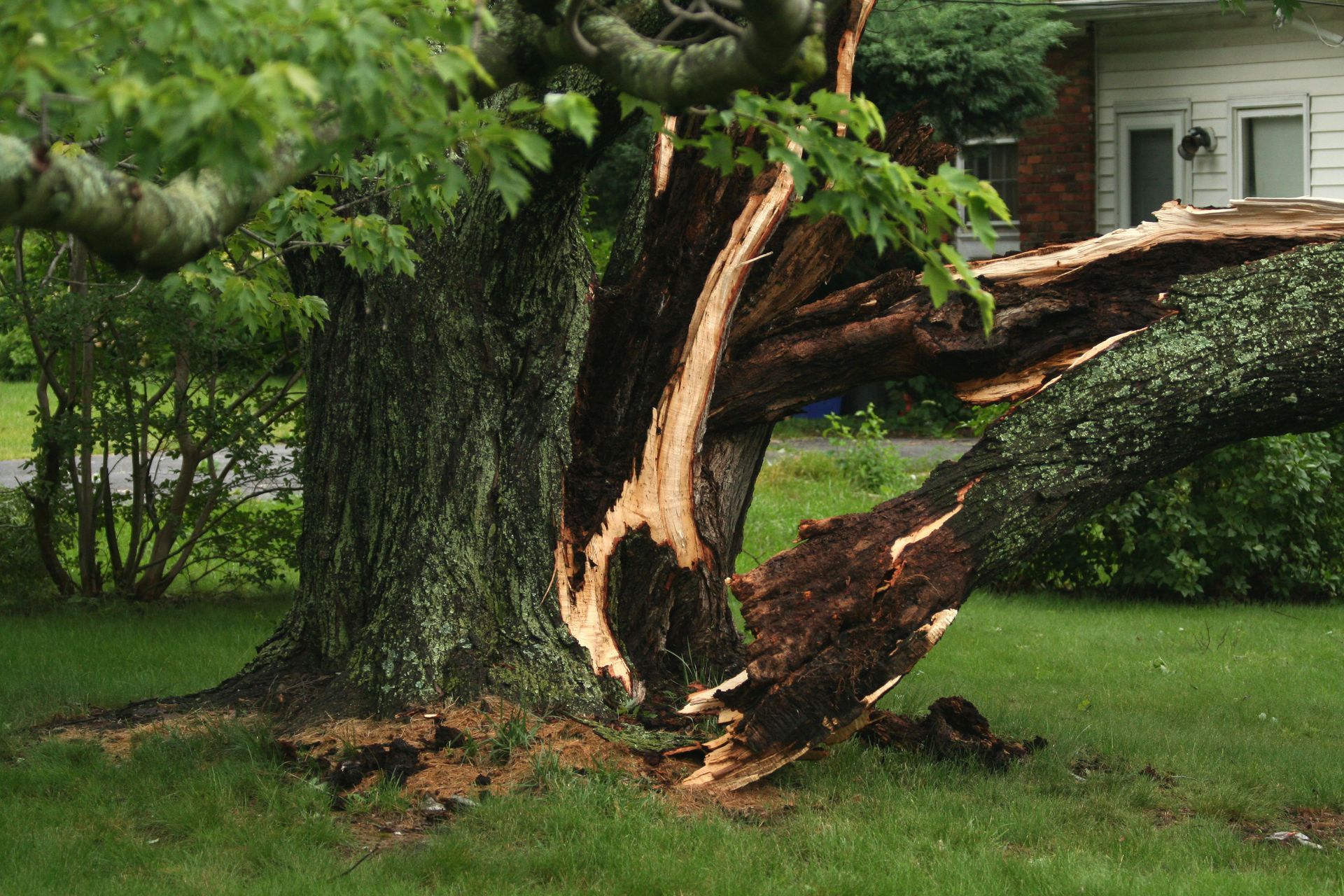
Damaged branches should also be evaluated after severe weather, even when they have not completely broken away. Splits, hanging limbs, torn bark, and partially detached branches can remain suspended in the canopy and create hazards later. Some damage is difficult to see from the ground, particularly in tall or dense trees. A local tree service can identify branches that should be removed and make proper pruning cuts that reduce unnecessary injury to the tree. Correct technique matters because poorly placed cuts can create additional stress, decay, or weak regrowth.
Thinning Dense and Unbalanced Canopies
A dense canopy can catch more wind, increasing the force placed on branches and the trunk during a storm. Selective thinning can sometimes improve air movement through the crown while reducing excess weight in areas where branches are crowded. The goal is not to strip the tree or remove large amounts of healthy growth. Instead, thoughtful pruning focuses on specific branches that interfere with structure, create excessive density, or place uneven weight on one portion of the canopy. Maintaining a balanced form can help a tree respond more naturally when wind moves through its branches.
Over-pruning can be just as harmful as neglect. Removing too much foliage at one time can weaken a tree, reduce its ability to produce energy, and stimulate rapid shoots that may be poorly attached. Practices such as topping can also create long-term structural problems rather than making a tree safer. Preventive trimming should therefore be based on the species, age, condition, and growth pattern of the tree. A local tree service can select branches strategically instead of relying on aggressive cutting that may compromise health and stability.
Protecting Buildings and Utility Areas
Trees growing near homes, garages, driveways, fences, and other structures deserve particular attention before severe weather. Branches that extend over a roof may scrape shingles, clog gutters, or fall onto the structure if they fail. Limbs growing toward windows or siding can also cause damage as they move in strong winds. Preventive trimming can establish reasonable clearance around vulnerable areas while preserving as much healthy canopy as possible. The objective is to reduce direct conflicts without unnecessarily disfiguring the tree.
Utility lines require even greater caution. According to ScienceDirect, roadside tree failures cause nearly 90% of power outages in the Northeastern United States. Branches near electrical lines should never be treated as a do-it-yourself trimming project because contact with energized lines can be extremely dangerous. Property owners should follow the guidance of the utility provider and qualified professionals when vegetation is close to electrical infrastructure. A local tree service can help assess other trees and branches around the property and explain which concerns may require coordination with a utility company.
Scheduling Trimming Before Storm Seasons
Timing preventive work before severe weather is often more effective than waiting until a storm is already forecast. Tree companies can become extremely busy after major weather events, and emergency conditions may limit options for careful maintenance. Scheduling inspections and trimming in advance allows time to identify concerns, prioritize work, and address branches under safer and more controlled conditions. It can also make it easier to plan around the normal pruning needs of different tree species rather than making hurried decisions immediately before bad weather.
Regular maintenance can also prevent small problems from becoming larger ones. A branch that is easy to remove when it is small may become much heavier and more difficult to manage after several years of growth. Periodic evaluation can identify deadwood, competing leaders, low-clearance limbs, and other concerns before they become urgent. Working with a local tree service on an appropriate maintenance schedule can help property owners keep track of changing tree conditions while avoiding unnecessary pruning simply because a certain amount of time has passed.
Preparing Properties for Severe Weather
Tree trimming works best as one part of a broader storm-preparation strategy. Property owners should also secure outdoor furniture, inspect drainage systems, clear gutters, and remove loose objects that could become airborne in high winds. Around trees, it is useful to look for recently fallen branches, sudden changes in lean, soil movement near roots, or cracks that appear to be expanding. These observations can provide early warning that a tree may need professional attention before the next major storm.
After a storm, homeowners should avoid standing beneath hanging limbs or attempting to cut branches that are under tension. Storm-damaged wood can move unexpectedly, and chainsaw work becomes especially hazardous when limbs are twisted, suspended, or resting against structures. If a tree has been damaged, a local tree service can evaluate whether broken portions can be pruned safely or whether the tree has suffered more serious structural failure. Prompt assessment can also help property owners determine which hazards need immediate attention and which repairs can be scheduled later.
Preventive tree trimming cannot eliminate every storm-related risk, but it can reduce many problems associated with deadwood, damaged branches, dense canopies, poor clearance, and unbalanced growth. Regular inspections and properly timed pruning also give property owners a better understanding of how their trees are changing and where structural concerns may be developing. The most effective approach is to address known weaknesses before severe weather places additional stress on the canopy, while avoiding excessive or improper pruning that can create new problems. For help evaluating trees, planning preventive trimming, and preparing your property for severe weather, contact 4 Seasons Tree Service.



Share On: