
6 Ways Tree Trimming Improves Tree Health and Growth
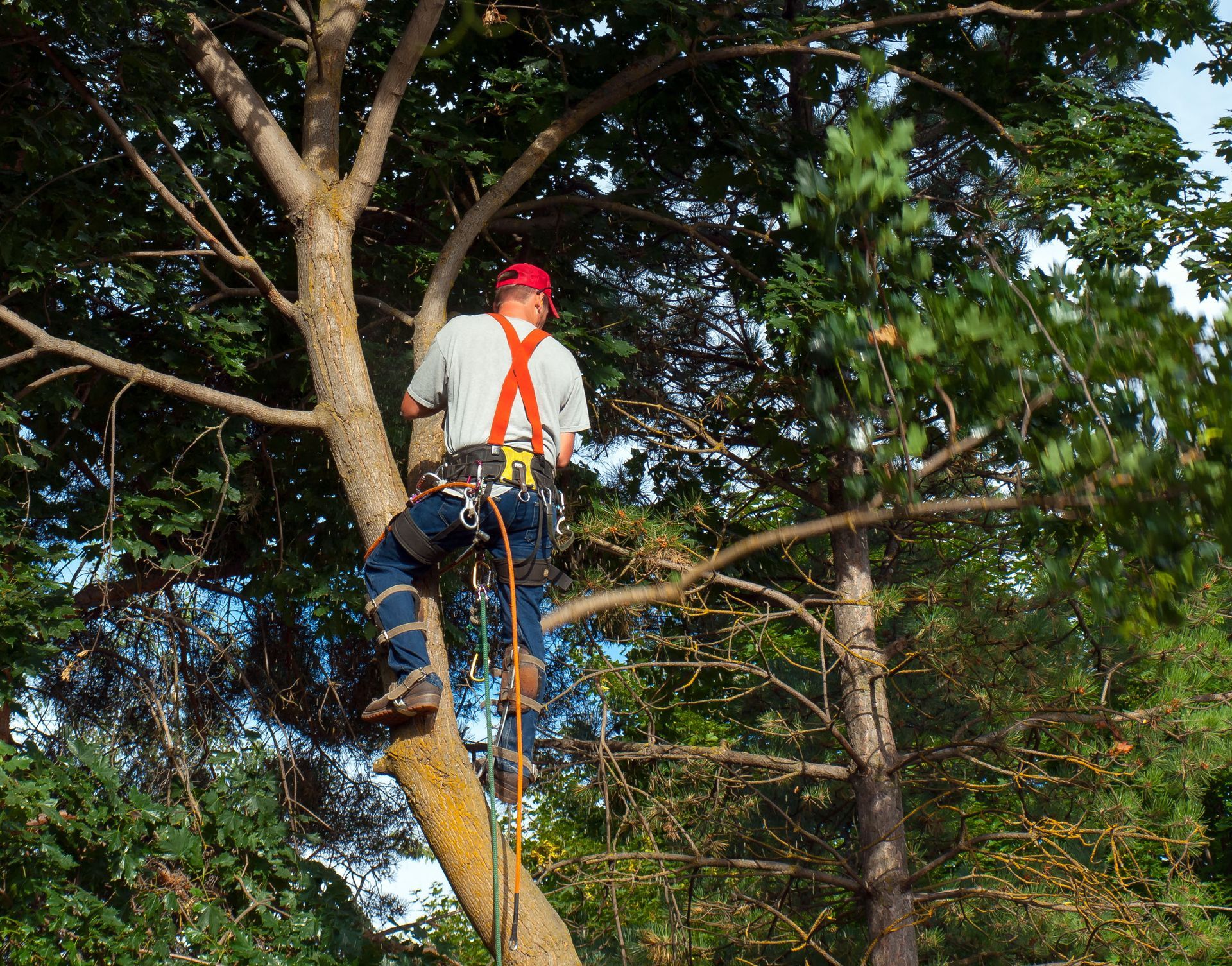
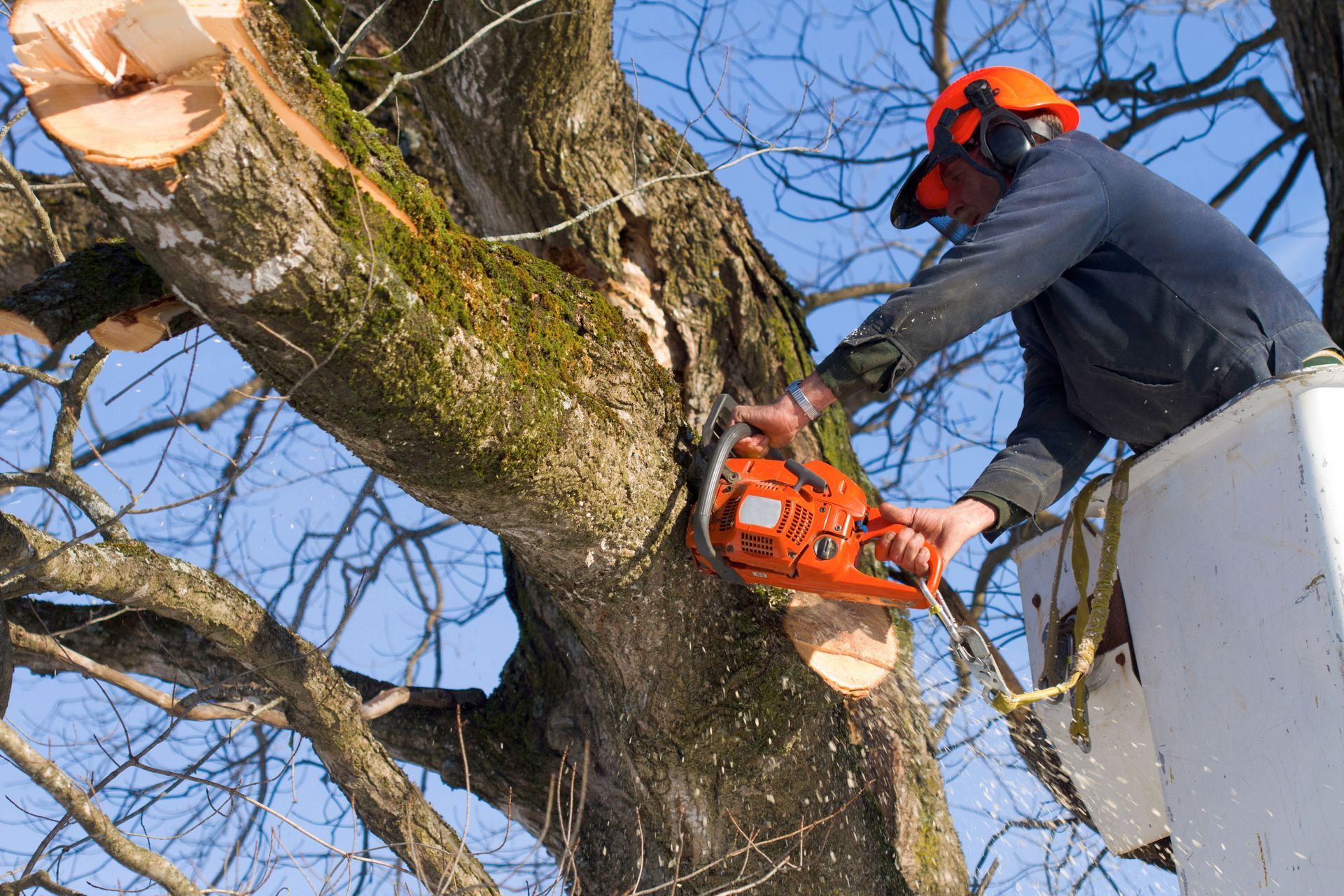
Tree trimming, often overlooked in routine landscaping activities, plays a pivotal role in maintaining the health and growth of trees. Throughout this article, we explore the various benefits of tree services like trimming, and the methods best suited to achieve these advantages. The decisions made in tree trimming not only affect tree health but can also contribute positively to the surrounding ecosystem.
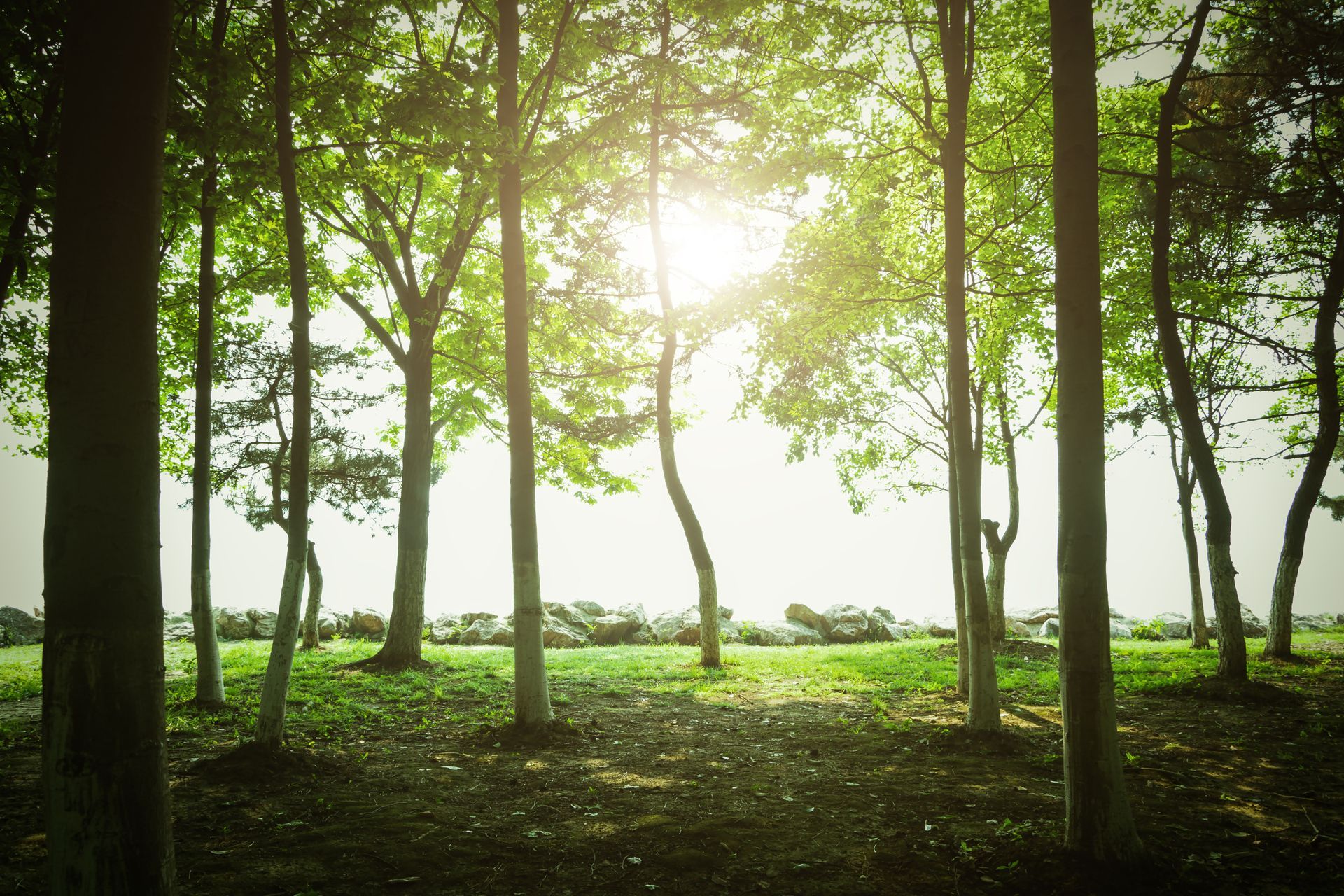
1. Enhancing Sunlight Exposure
A. Importance of Sunlight for Photosynthesis
Sunlight is crucial for photosynthesis, the process through which trees convert light energy into chemical energy to fuel their growth and sustain life. Without sufficient sunlight, trees can experience stunted growth, leading to weak structures and reduced vitality. Essential for converting carbon dioxide and water into glucose and oxygen, photosynthesis directly affects the overall health of the tree. A healthy tree with adequate sunlight not only grows taller and stronger but also supports a vibrant ecosystem. Therefore, maximizing sunlight exposure through strategic trimming ensures that trees can effectively carry out photosynthesis.
B. Impact of Densely Packed Branches
Densely packed branches often lead to lower sunlight penetration, hindering inner and lower leaves from receiving the necessary light. Trees with overcrowded branches can develop zones of poor growth and weakened branches. As clusters of branches block out light, leaves cannot photosynthesize efficiently, resulting in reduced energy production. Ensuring all parts of the tree canopy receive sunlight is crucial for sustaining health and vigor. Translucent and layered branching structures, achieved through diligent trimming, are beneficial in preventing the negative impacts of dense branching.
2. Promoting Air Circulation
A. Role of Air Circulation in Tree Health
Improved air circulation within the tree canopy plays a key role in sustaining tree health by mitigating moisture accumulation. Adequate airflow reduces humidity levels in areas densely packed with foliage, minimizing the chances of fungal growth. Trees with increased circulation tend to be more resilient against pests and diseases. Air movement is crucial for dispersing plant-produced gases, facilitating gas exchanges vital for respiration. Healthy air circulation, achieved through thoughtful trimming, contributes directly to the vitality and physiological balance of a tree.
B. Identifying Signs of Poor Airflow
Detecting airflow constraints within a tree's canopy is crucial, as signs include wilting leaves and moldy or mildewing growth on stems and branches. Distinct odors or decay may also indicate inadequate air movement, leading to moisture buildup. Check for uncharacteristic leaf drop and inspect for the presence of fungal growth, indicating that conditions may be overly favorable for pathogens. Thick clusters of leaves without visible sky or sunlight through the canopy can significantly impede airflow. Identifying these warning signs is critical for determining when pruning is necessary to enhance air circulation.
3. Encouraging Fruit and Flower Production
A. Impact of Pruning on Bud Development
Proper trimming has a notable effect on developing buds, directly influencing the capacity for a tree's flower and fruit production. By removing dead or overcrowded branches, the tree allocates more nutrients to healthy buds instead of wasting resources on non-viable growth. This promotion of healthy bud sprouting can lead to more abundant blooms and fruiting periods during the optimal growing seasons. Understanding bud development phases ensures that trimming maximizes both flower and fruit yield over time. Thoughtful trimming focuses a tree's energy on producing vibrant buds, leading to successful flowering outcomes.
B. Strategies for Fruit-Bearing Trees
Distinct strategies for trimming fruit-bearing trees can encourage increased productivity and yield quality. Balance is key; over-pruning can stunt growth while under-pruning can hinder fruit development. Emphasis should be on thinning internal branches to open up pathways for sunlight and air circulation, fostering healthier fruit growth. Trimming away deadwood or cross-branches directs the tree's focus towards viable growth. Ensuring branches are well-supported yet spaced optimally creates an environment primed for nourishing larger and more abundant fruits.
4. Preventing and Managing Diseases
A. Common Diseases Impacted by Poor Growth
Trees subject to poor maintenance frequently become vulnerable to an array of common diseases that compromise their health and integrity. Canker diseases, primarily caused by fungi, thrive on trees with limited vigor due to ineffective growing conditions. Similarly, bacterial infections target areas of sustained moisture buildup due to insufficient airflow. Insects and organisms tend to exploit untrimmed areas as their breeding grounds, weakening the host further. Managing tree growth through diligent trimming reduces incidents of disease and improves resilience, laying the groundwork for long-term health.
B. Role of Tree Trimming in Disease Reduction
Tree trimming serves as a preventative measure, effectively managing potential diseases and maintaining overall tree health. By removing damaged or dead branches, potential disease vectors are minimized, reducing opportunities for pathogens to spread. Maintaining proper tissue clearance, facilitated through strategic trimming, inhibits microbial infections by disrupting suitable environments for pathogen growth. According to Lawn Love, most trees require trimming every 3 to 5 years, highlighting regular maintenance as paramount in disease management. Thus, tree trimming acts as both a protective and restorative intervention against diseases.
5. Strengthening Structural Integrity
A. Understanding Structural Integrity in Trees
The architecture and structural integrity of a tree underpin its ability to withstand environmental stresses. Healthy trees are characterized by a well-balanced crown, robust limbs, and evenly distributed weight across structural branches. Strong structural integrity helps prevent breakage during storms or external forces like wind, thus ensuring safety and longevity. Strategic pruning plays a vital role in maintaining this critical balance, reducing the likelihood of sudden collapse or deterioration. Trees fostered with an impressive sense of sprawled and supportive strength exemplify the convergence point between visual aesthetics and necessary practicality.
B. Corrective Pruning for Structural Stability
Corrective pruning techniques improve structural stability by addressing any existing or potential weak points within the tree's framework. Identifying and rectifying uneven growth formations using height adjustments can prevent top-heaviness, balancing the canopy appropriately. Encouraging dual leaders and reinforcing central trunk growth contributes to a well-distributed canopy size, enabling solid anchor points. Integration of regular structural trimming with natural growing courses ensures maximum resilience against uncommon weather bursts. Ultimately, precise interventions through corrections that prioritize stability characteristics underlie comprehensive structural soundness.
6. Enhancing the Aesthetic Appeal
A. The Role of Aesthetics in Landscape Design
Tree aesthetics significantly influence landscape design, enriching outdoor environments with visual interest and harmony. The contours, color contrasts, and textures brought by tree canopies add depth and character to landscapes, enhancing garden narratives. Professional design often strategically incorporates trees as focal or complementary elements to achieve cohesion across diverse ecosystems. Environments shaped by aesthetically pruned trees communicate inviting landscapes attuned to customer requirements. Appropriate trimming helps manifest impactful design solutions that align creative values with functional spaces, aiding in fostering of human-nature interactions through enhanced visual appeal.
B. Trimming Techniques for Beauty and Form
Skillful trimming aims to refine tree forms, heightening their aesthetic contributions while ensuring underlying health conservation. Decluttering principles, including crowning and frame thinning, result in eye-catching silhouettes with graceful flow across branches. Formal shapes achieved through topiary techniques deep-dive into craftsmanship, crafting ornamental trees that serve functional artistic receptacles. Integrating maintenance with visual acuity aligns trimming activities with comprehensive beauty-focused outcomes within landscapes. These same techniques minimize energy costs, celebrating pruned forms through conscientious landscape architecture interwoven with carefully considered trimming engagements.
Ensuring trees receive proper trimming can significantly improve their longevity, health, and aesthetic appeal. By focusing on a few targeted practices, tree trimming can encourage positive outcomes such as increased sunlight exposure, improved air circulation, and reduced disease prevalence. If you're looking for reliable tree services, reach out to 4 Seasons Tree Service today!


Share On: