9 Common Causes of Emergency Tree Removal
Trees add beauty, shade, and value to any property, but they can also become serious hazards when conditions change quickly. Storms, disease, and structural instability can turn a healthy-looking tree into an emergency situation overnight. Understanding what triggers urgent tree removals helps homeowners recognize warning signs before they escalate into costly damage or safety risks. Below, we break down the most common causes behind emergency tree removals and what property owners should watch for.
1. Severe Storm Damage
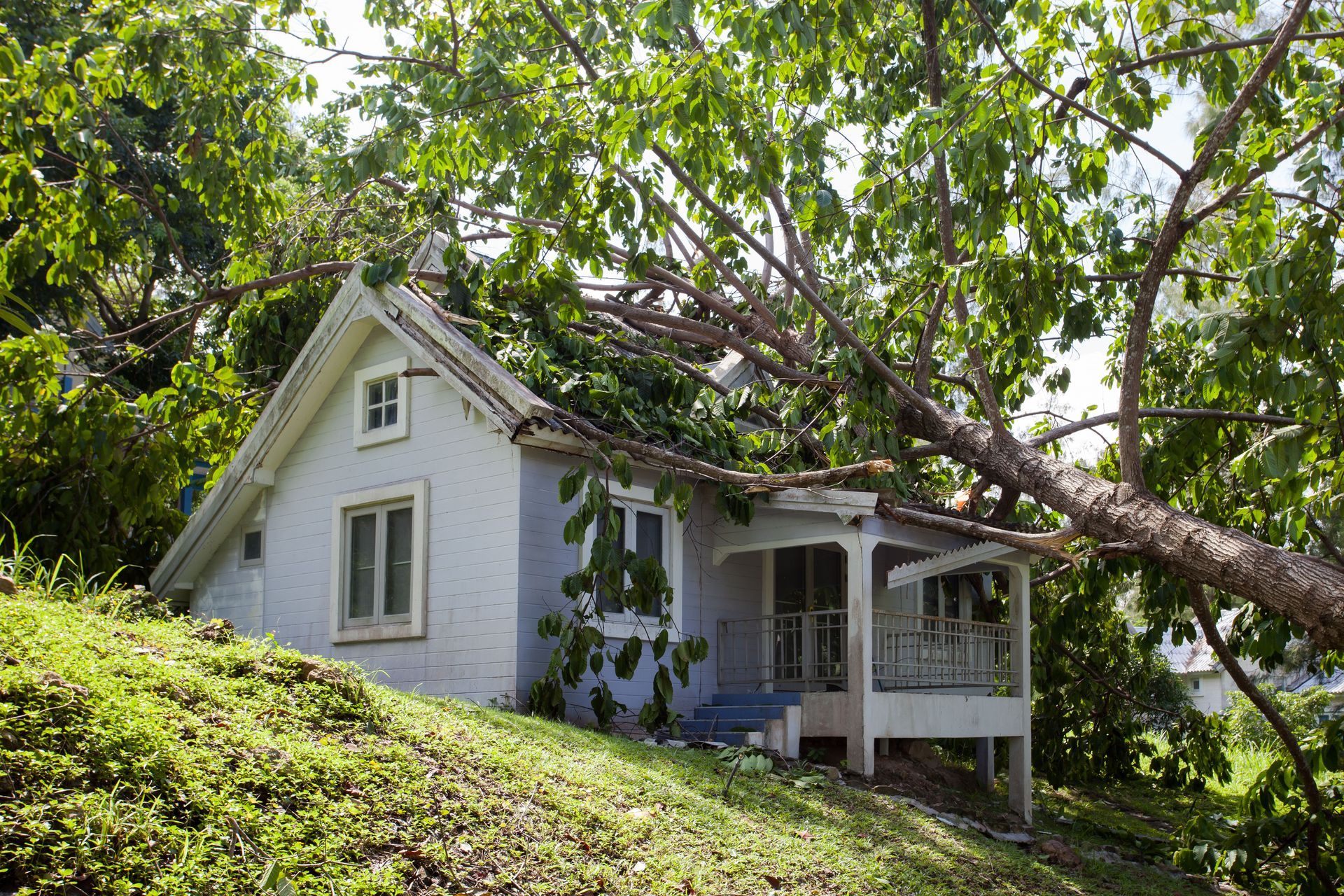
High winds, heavy rain, and ice storms are among the leading causes of emergency tree removals across the country. Storms can snap large limbs, uproot shallow root systems, or split trunks entirely, leaving trees unstable and dangerous. Even trees that appear structurally sound before a storm can suffer hidden damage that isn't visible until branches begin to fail. When storm damage compromises a tree's stability, prompt tree removals are often necessary to prevent the tree from falling on structures, vehicles, or power lines.
2. Extensive Internal Decay
Internal decay is one of the trickiest issues to detect because it often develops beneath the bark, out of plain sight. Fungal growth, insect activity, and prolonged moisture exposure can hollow out a tree's core while the exterior still looks relatively healthy. According to Today's Homeowner, a tree may need to come down once decay or damage affects more than 50% of its overall structure. Once decay reaches this threshold, the tree can no longer support its own weight safely, making tree removals the responsible course of action rather than a temporary fix.
3. Significant Root System Failure
A tree's stability depends heavily on a strong, well-anchored root system. When roots are compromised by construction work, soil erosion, flooding, or disease, the tree loses its ability to stay upright during wind or heavy rain. Signs of root failure include leaning trunks, soil heaving near the base, or exposed roots that appear cracked or rotted. Because root damage is often irreversible, arborists frequently recommend tree removals to eliminate the risk of a sudden collapse.
4. Pest Infestation and Disease
Insects and pathogens can devastate a tree's internal structure long before outward symptoms become obvious. Pests like emerald ash borers, bark beetles, and various fungal pathogens weaken wood fibers, disrupt nutrient flow, and accelerate decay. Left untreated, these infestations spread not only through the affected tree but potentially to neighboring trees as well. In advanced cases where treatment is no longer effective, tree removals become necessary to protect surrounding vegetation and prevent further property damage.
5. Structural Cracks and Splits
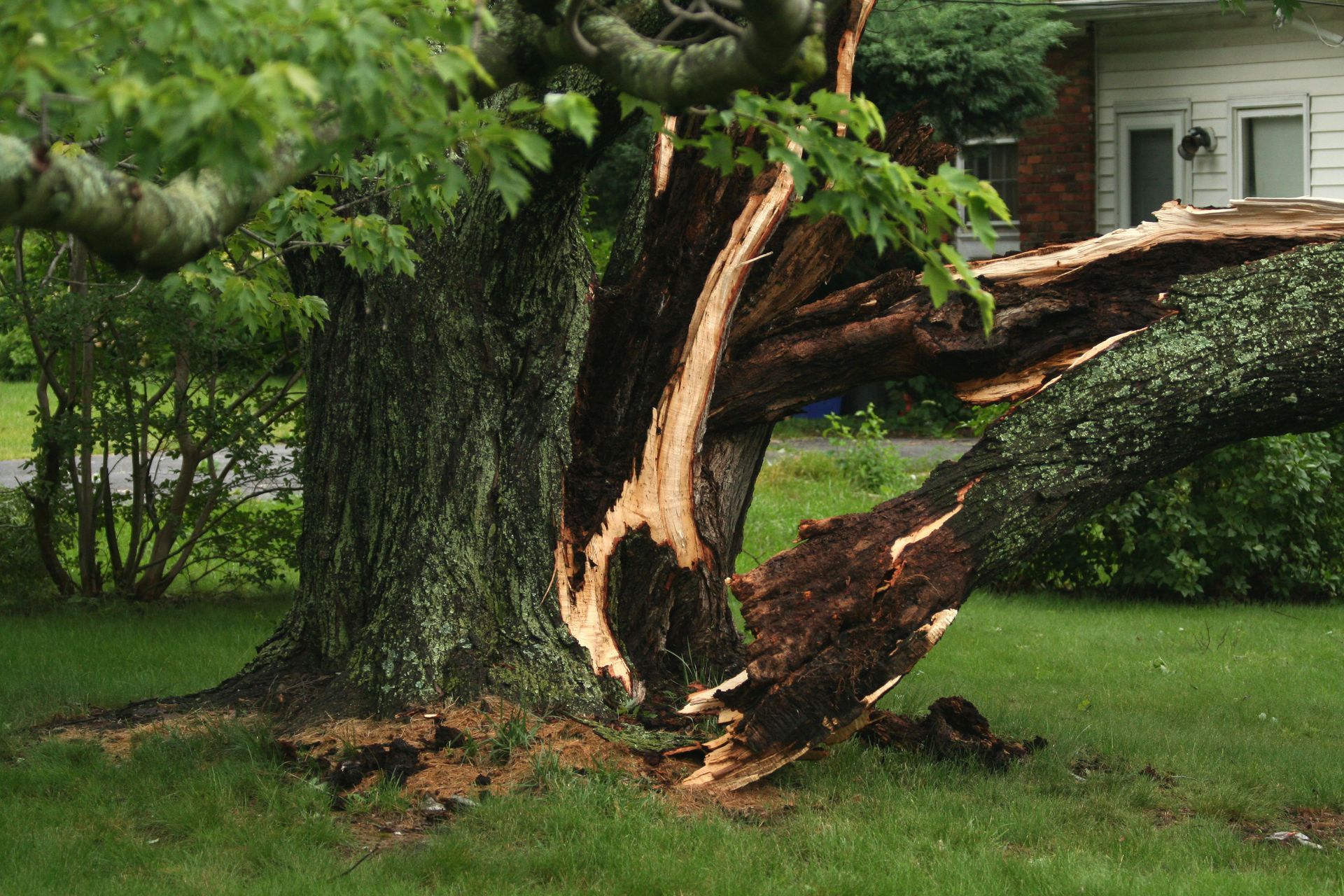
Visible cracks, splits, or cavities in a trunk or major limb are strong indicators that a tree is under structural stress. These defects often result from previous storm damage, poor pruning practices, or the natural aging process of the tree. A split trunk in particular signals that the tree's structural integrity has been seriously compromised, increasing the likelihood of a sudden, unpredictable failure. When cracks extend deep into the trunk, emergency tree removals are typically the safest solution, especially if the tree stands near a home, driveway, or walkway.
6. Dangerous Proximity to Power Lines
Trees growing too close to overhead power lines present an ongoing safety hazard, particularly during high winds or ice accumulation. Branches that make contact with power lines can spark fires, cause outages, or create electrocution risks for anyone nearby. Utility companies and municipalities often mandate immediate action when a tree threatens electrical infrastructure. In these situations, tree removals are frequently required on an expedited basis to restore safety and prevent service disruptions across the surrounding area.
7. Leaning or Unstable Growth Patterns
A tree that suddenly begins leaning, especially after heavy rainfall or soil saturation, often signals an unstable root system or foundation issue. While some trees naturally grow at a slight angle over many years, a sudden or worsening lean is a red flag that shouldn't be ignored. This type of instability is particularly dangerous because failure can happen with little to no warning. Property owners who notice a rapidly changing lean should contact a professional immediately, as tree removals may be the only way to eliminate the risk before the tree falls on its own.
8. Soil Compaction and Construction Damage
Nearby construction, heavy equipment traffic, or grading work can severely compact the soil around a tree's root zone, cutting off oxygen and water access. This type of stress often isn't immediately visible, but it weakens the root system over time and makes the tree far more susceptible to failure. Trees affected by construction damage may show gradual decline through thinning canopies, dying branches, or stunted growth before eventually becoming unstable. When soil compaction has caused irreversible root damage, tree removals are often necessary to prevent a compromised tree from falling unexpectedly near newly built structures.
9. Lightning Strikes and Fire Damage
A direct lightning strike can instantly compromise a tree's internal structure, even if the damage isn't obvious from the outside. Scorched bark, split trunks, or exposed wood are common signs that a tree has sustained a serious strike, and the resulting instability can pose a hazard for months afterward. Fire damage, whether from lightning or nearby brush fires, weakens the tree's cellular structure and increases the risk of sudden limb or trunk failure. In these cases, professional tree removals are often the safest option, since damaged trees can fail without warning long after the initial event.
Why Professional Assessment Matters
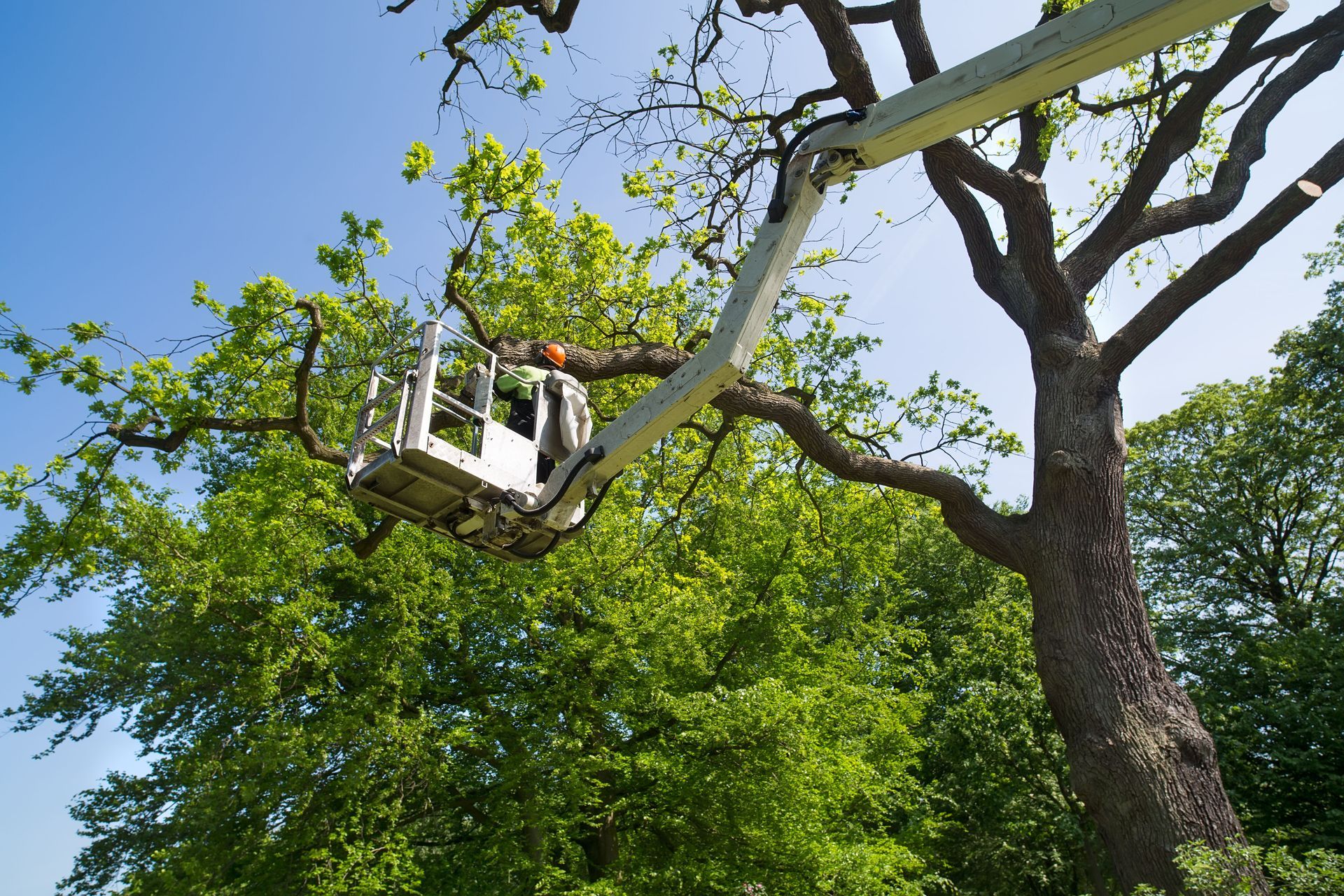
Not every damaged or unhealthy tree requires immediate removal, which is why professional assessment is such a critical step. Tree service professionals can evaluate the extent of decay, structural damage, or root failure and determine whether pruning, cabling, or other treatments might save the tree. Attempting to assess or remove a hazardous tree without proper training and equipment puts both people and property at serious risk. Professionals also understand local regulations, utility considerations, and proper techniques for safely felling large or unstable trees. Relying on experienced crews for tree removals ensures the job is done correctly, safely, and with minimal disruption to the surrounding landscape.
Recognizing Warning Signs Early
Catching the warning signs of tree failure early can mean the difference between a routine maintenance visit and a full-blown emergency. Homeowners should regularly inspect their trees for cracked bark, dead branches, fungal growth at the base, or soil disturbance around the roots. Changes in leaf color or unexpected leaf drop outside of the normal season can also indicate underlying stress or disease. Scheduling periodic inspections with a professional service allows potential hazards to be identified before they require urgent tree removals, saving homeowners both money and stress in the long run.
Emergency situations involving trees can develop quickly, often with little warning, which makes understanding the common causes so valuable for property owners. Storm damage, internal decay, root failure, pest infestations, structural cracks, power line proximity, and sudden leaning all represent serious risks that shouldn't be ignored. While some of these issues can be managed with proactive care and monitoring, others require swift, professional intervention to prevent injury or property damage. Staying alert to these warning signs and acting quickly when problems arise is the best way to protect your home, your family, and your landscape.
If you're dealing with a hazardous tree or noticing any of the warning signs above, don't wait until it becomes a full-blown emergency. At 4 Seasons Tree Service, we're ready to assess the situation and provide safe, reliable tree removals whenever you need them. Contact us today to schedule an inspection and get expert guidance on protecting your property.


Share On: