What to Do After a Tree Falls on Your Property
Trees can greatly enhance the beauty and value of a property, but they can also pose significant risks, especially during storms or other natural disasters. Different trees have different lifespans and thus can fall at different rates. For example, according to Project Learning Tree, the grey birch has a lifespan of only 30-50 years and is among the trees with the shortest lifespans. When a massive oak or pine collapses, the immediate impacts can be daunting, from structural damage to potential safety hazards. Understanding what steps to take in these situations can help mitigate the risks and aid in a swift recovery process. The incident can disrupt not just your peace of mind but also your daily routines, making it crucial to address every aspect thoroughly. Navigating through the necessary steps to effectively manage the aftermath of such an event requires a systematic approach to safety, documentation, communication, and securing a reliable tree service.
In certain cases, it may be necessary to contact emergency services to address immediate safety concerns that require specialized intervention. If the situation involves injuries, blocked public roadways, or immediate threats to life and property, do not hesitate to call emergency services for prompt assistance. Fire departments and emergency personnel can help in assessing the condition, controlling the situation, clearing public thoroughfares, and providing additional medical resources if required. Remember, your primary responsibility is the safety and security of those around you, and sometimes that means reaching out for additional emergency support. Understanding when professional emergency intervention is needed can significantly reduce risks and expedite recovery efforts.
Documenting the Damage for Insurance
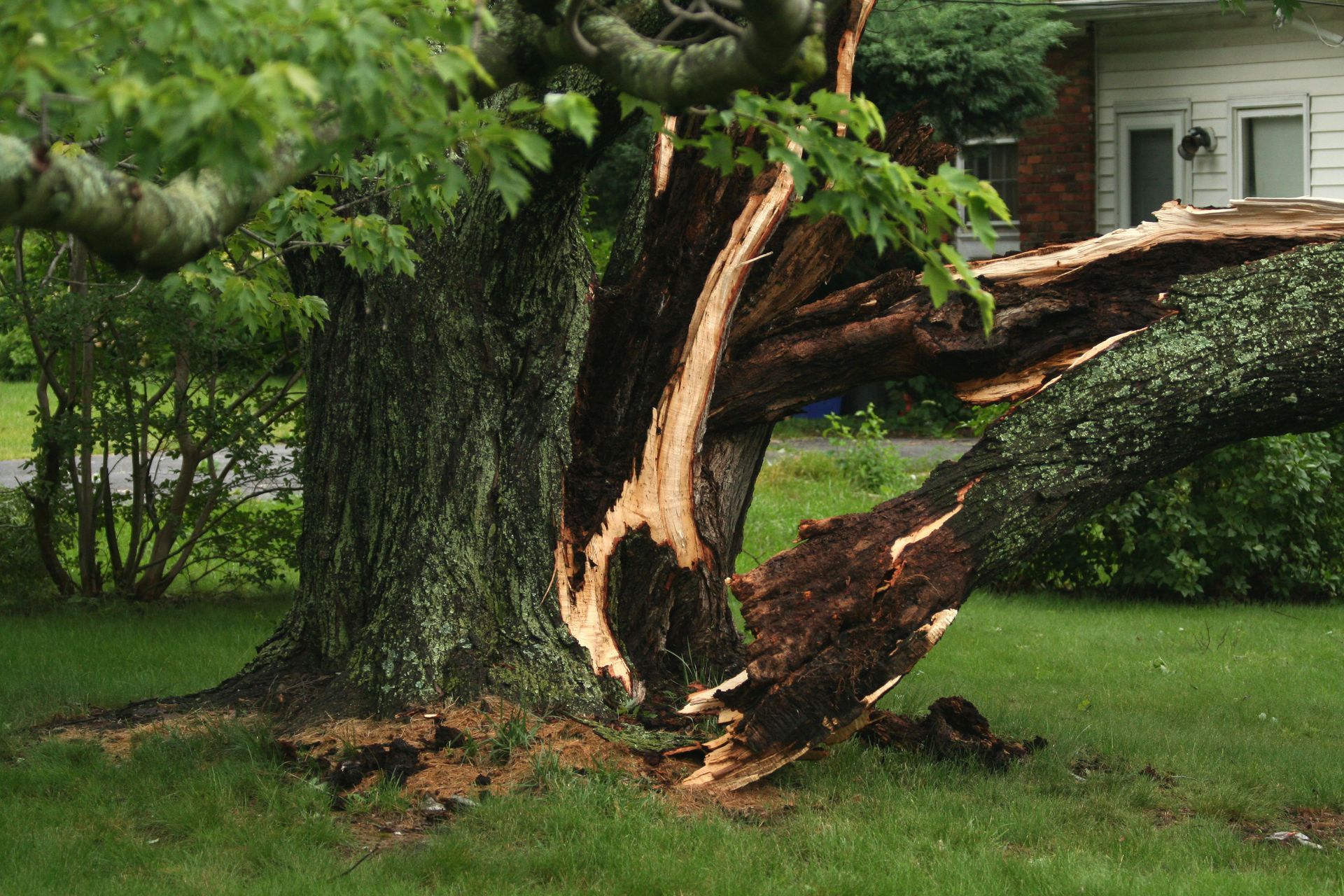
Once the environment is stabilized, documenting the damage becomes a fundamental step in the recovery process after a tree falls on your property. Photographs serve as critical visual evidence for insurance claims and repairs, capturing the scene exactly as it occurred. Capture images from multiple angles, showing the fallen tree, its point of origin, its full impact, and any visible damage it has caused to structures or landscapes. Ensure that the photos are clear and detailed, covering the scope of damage comprehensively, including close-ups of structural cracks and wider contextual shots. It is advisable to take these photos as soon as safely possible to have an accurate record of the incident before an emergency tree service alters the scene.
Creating a timeline of events is beneficial for tracking the sequence from the tree's fall to the present recovery stages. Start with the initial incident, chronicling each subsequent action taken to address the damage, communicate with authorities, and initiate repairs. A well-organized timeline is invaluable for insurance interactions, allowing for a clear representation of your proactive efforts and decision-making processes. Moreover, it can guide you through the steps required for a comprehensive resolution by identifying what has been accomplished and what remains to be done. Include dates, actions taken, and specific outcomes to strengthen the understanding and perspective of external parties involved in the situation.
Notifying Authorities and Municipalities
After ensuring immediate safety and documenting damages, contacting relevant authorities is necessary to address legal and logistical obligations. Notify utility companies to report any possible impacts on water, electricity, or gas services. While this is crucial in circumstances involving downed power lines, it also applies to other utility infrastructures potentially affected underground or through shared poles. Timely notification allows these companies to assess, intervene, and repair any damage to restore services efficiently. They may dispatch personnel to ensure no latent disruptions occur, safeguarding your home environment. Efficient communication with utility providers thus aligns with your responsible management of safety concerns related to infrastructural services.
In certain cases, the damage from a fallen tree may also affect communal infrastructure such as roads, parks, or sidewalks, necessitating a report to local government agencies. These officials can evaluate the damage's extent and implement necessary public safety measures, should they be needed to protect the public. Through accurate reporting, you contribute to the communal welfare, helping to prevent accidents or delays that could arise from the disturbance. Furthermore, local government authorities may offer resources or guidance to facilitate faster recovery on your property. Establishing this communication not only underscores civic responsibility but enriches collaborative recovery efforts within your neighborhood.
Navigating the Claims Process
Working with your insurance provider represents a critical phase in managing the financial implications of a fallen tree. Understanding your insurance policy's coverage regarding tree-related damages is crucial in formulating an efficient response. Examine your policy documents closely, noting what damages are covered and any exclusions or limits that might apply to debris removal versus structural repair. This examination ensures you have a realistic expectation of the compensation process, guiding your claim strategy. Additionally, familiarize yourself with the deductibles and the claims process to avoid surprises. Knowing your policy details empowers you to advocate confidently with your insurance provider, facilitating clearer communication and swifter resolution timelines.
To file an insurance claim effectively, compile all relevant documentation and communicate with your insurer promptly. Begin with contacting your provider to report the incident, and follow their specific claim submission instructions. Utilize your photographic evidence, written descriptions, and any other documentation prepared earlier to support your case and establish the incident's validity and scope. Clarity, thoroughness, and organization in presenting your case enhance the likelihood of a smooth claims process. Addressing all necessary details upfront minimizes potential hurdles and aligns with the insurer's requirements for a streamlined settlement experience.
Hiring a Professional Tree Service
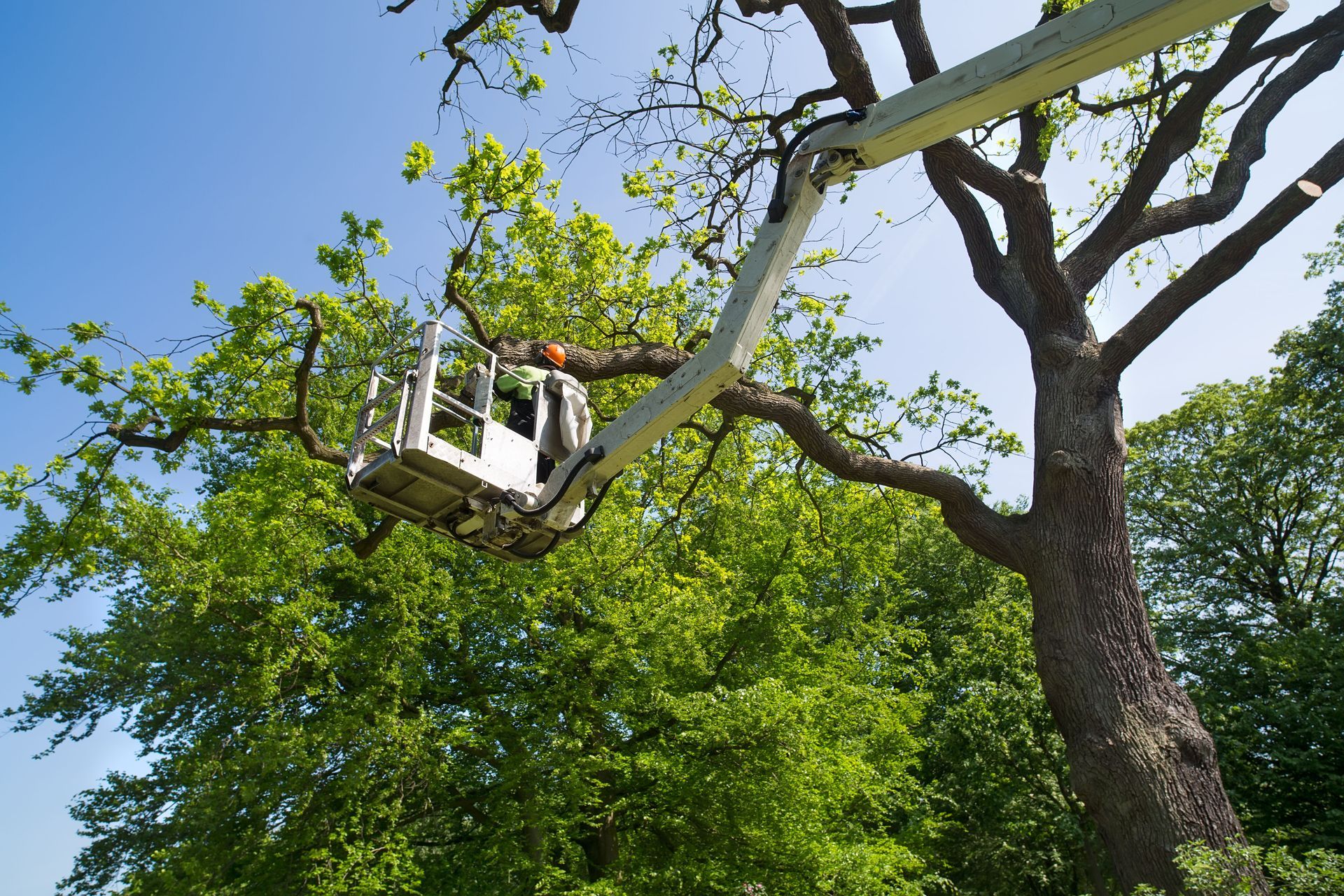
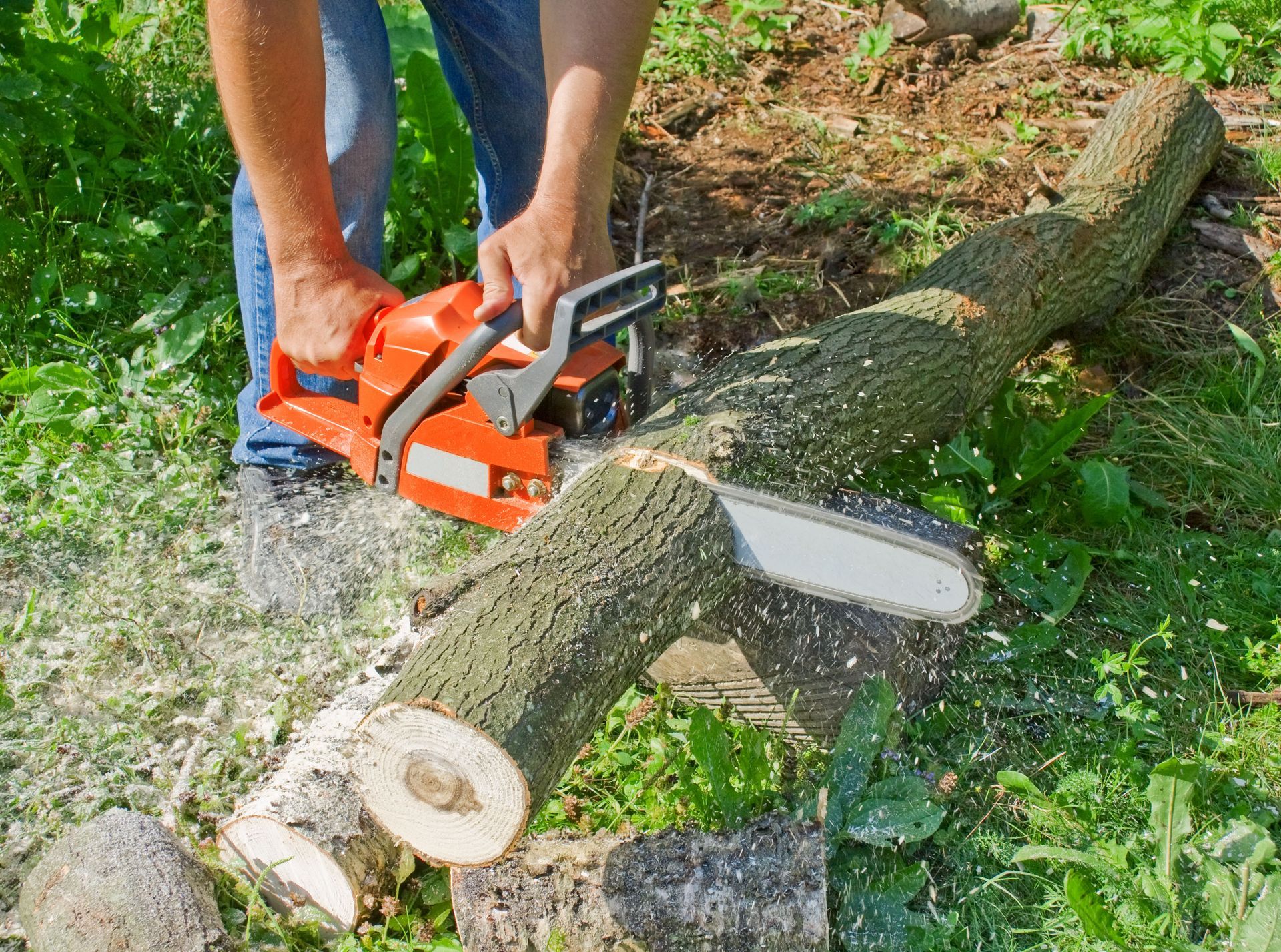
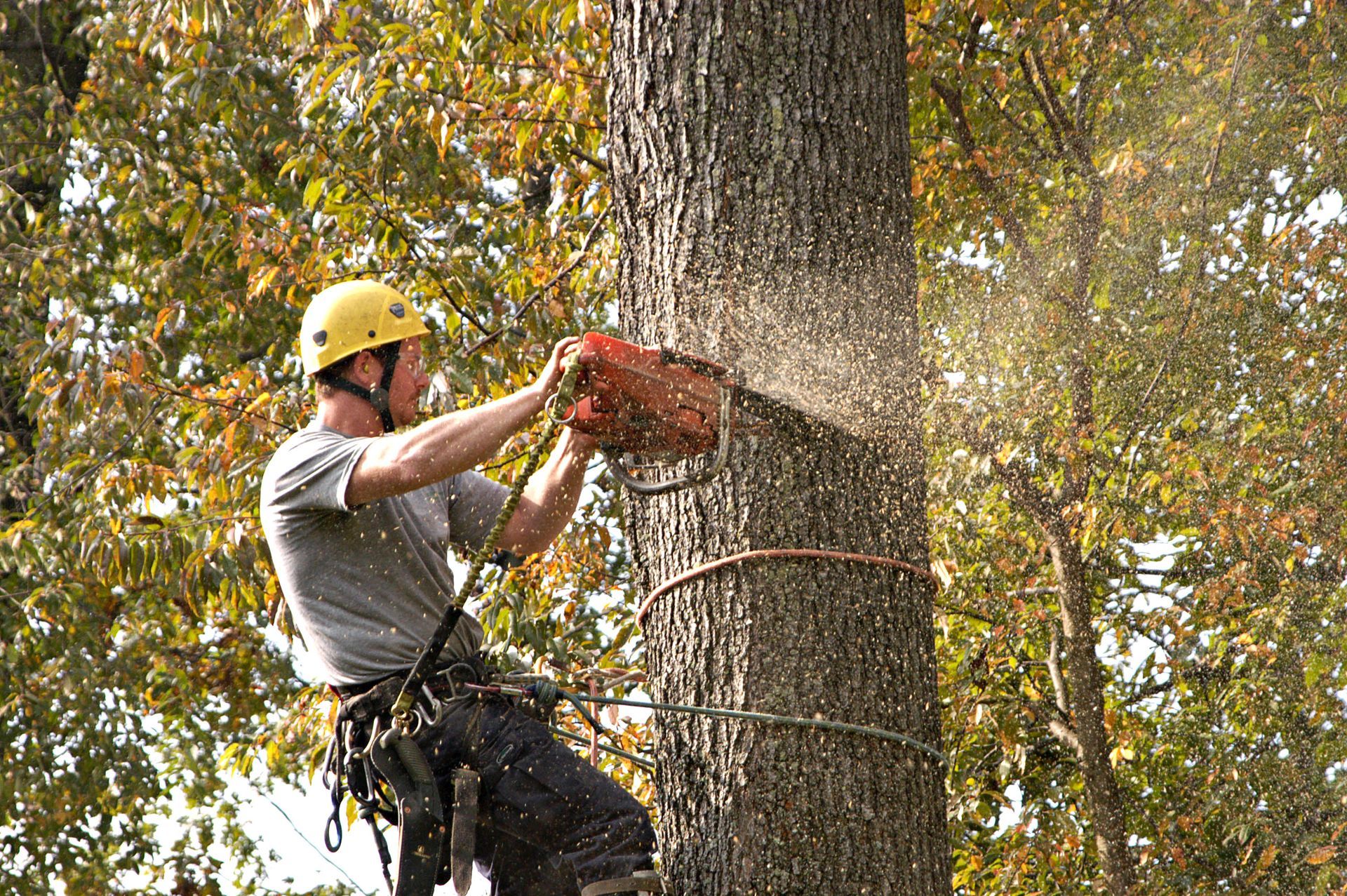
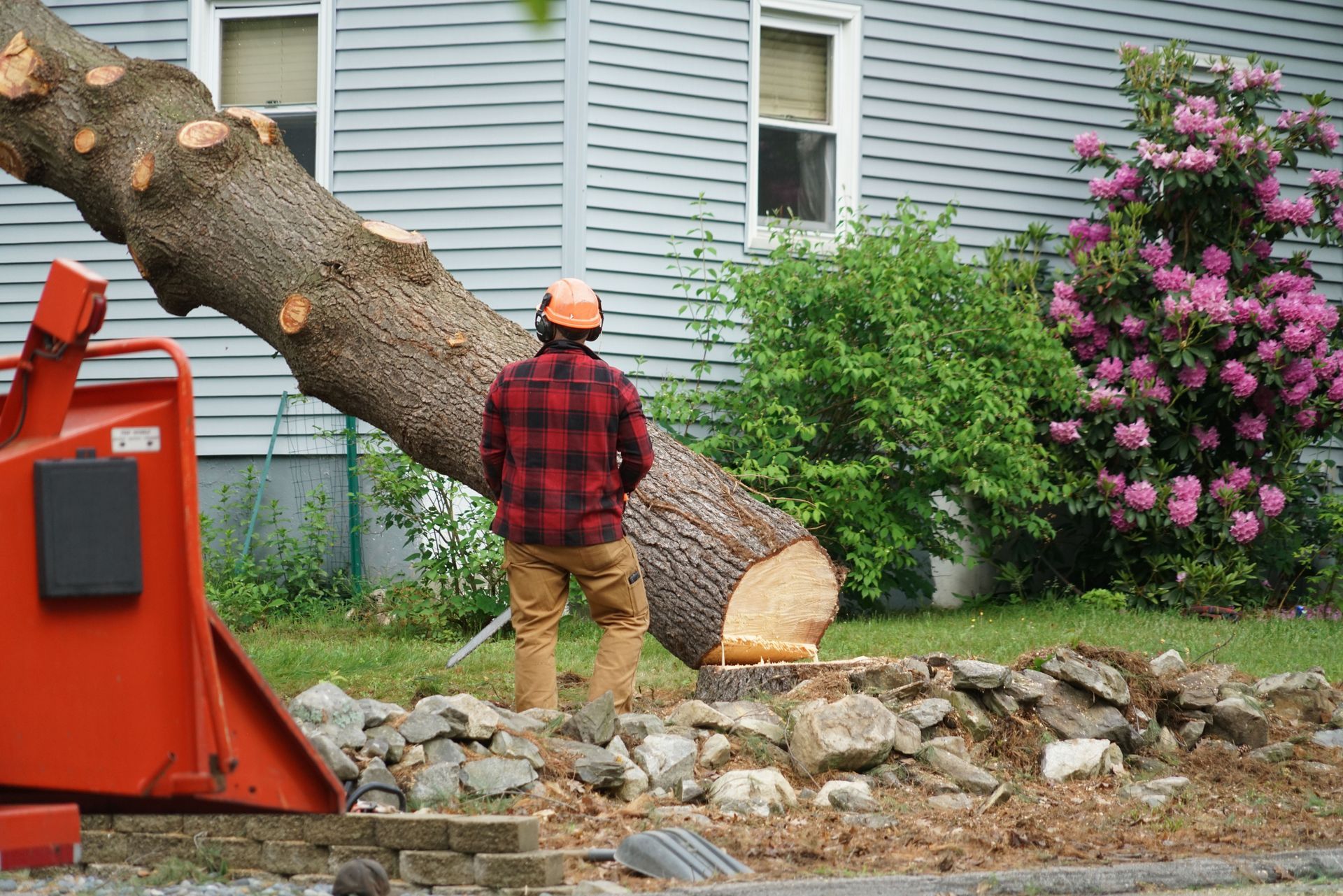
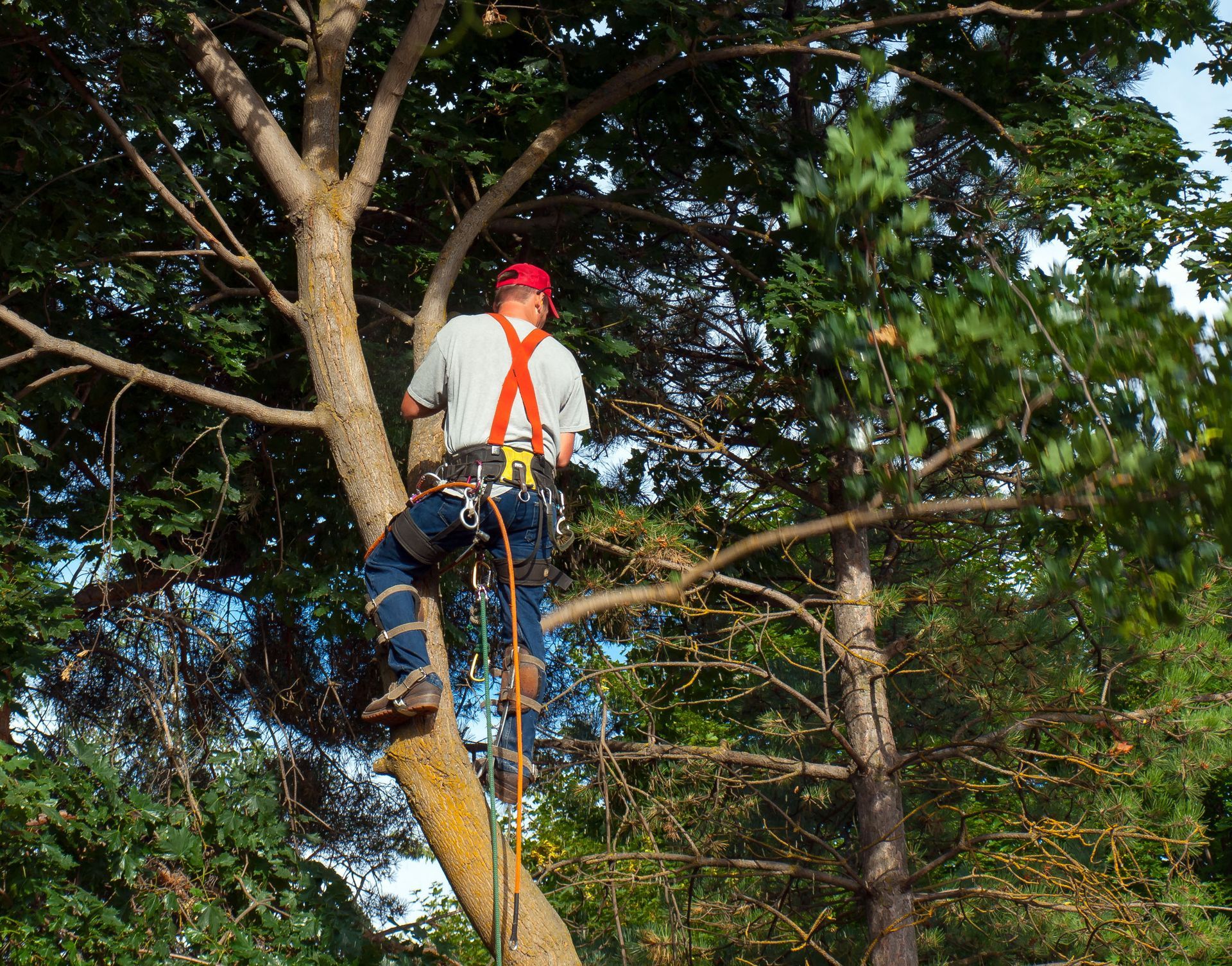
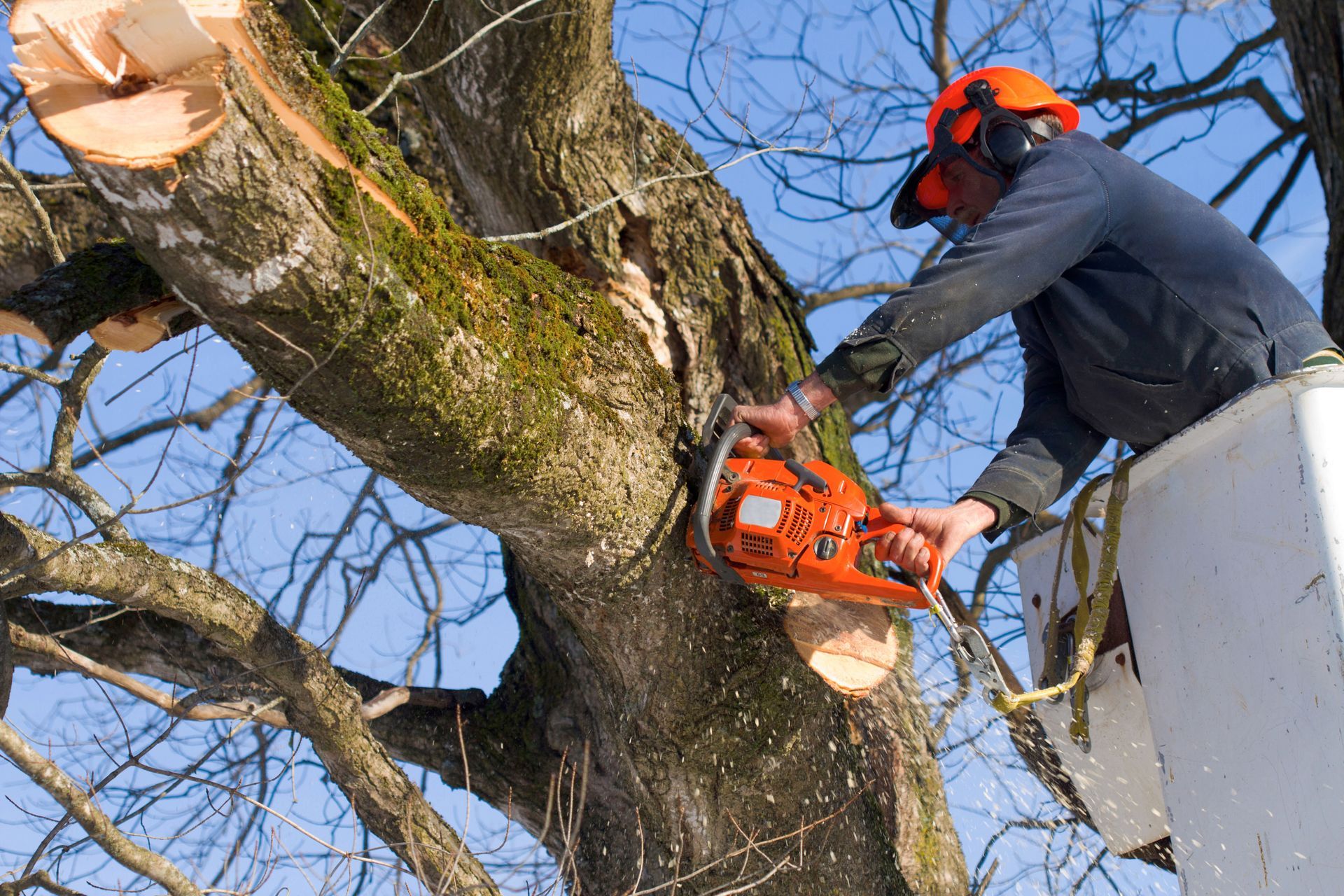
Hiring professional help is almost always necessary for the physical clearance and remediation phases. For dealing with fallen trees and assessing their impacts, hiring a qualified tree service provides expert insight and safety assurance. Certified arborists possess specialized knowledge in tree health and removal techniques, enabling them to perform dangerous tasks efficiently and safely. When selecting a tree service, verify their credentials and experience to ensure you hire qualified personnel adept in managing your specific tree removal needs. Transparency in discussing service timelines, methodologies, and costs upfront facilitates a smooth hiring process and effective service deliverability. An informed professional selection guarantees comprehensive management of the other trees on your property and minimizes future risks.
Before engaging any professional help, verifying their insurance coverage and licenses is a critical step to protect against liabilities and malpractice. Confirm that the tree service has adequate coverage that covers potential mishaps or damage during service delivery, shielding yourself from unforeseen expenses. Licensed professionals demonstrate a commitment to industry standards and regulatory compliance, offering confidence in their expertise and ethical obligations. This diligence reduces risks, ensuring that only qualified individuals engage with your property for remediation works.
Preventing Future Tree Failures
Preventing future incidents should be the ultimate goal once the immediate crisis has been resolved. Regular inspections by a qualified tree service play a pivotal role in identifying potential risks trees may pose to your property before a storm hits. Routine assessments help detect health problems, structural weaknesses, or any external factors that might compromise tree stability. With these insights, you can implement timely interventions, averting possible property repercussions. Engaging a certified tree service provides in-depth evaluations, uncovering any species-specific concerns or environmental impacts, equipping you to maintain safer surroundings. Proactive vigilance and monitoring fortify property security, reducing scenarios of fallen trees, and promoting healthier, longer tree lifespans.
Investing in storm-resistant tree species can bolster the resilience of your property against adverse weather conditions over the coming decades. Species selected for robustness or adaptability to local climate conditions often withstand storms better than more fragile alternatives. This consideration is especially relevant in locales grappling with recurrent severe weather events, where purposeful selection can mitigate long-term financial and physical impacts. While tending towards sturdier species, acknowledging limitations in tree longevity empowers you to plan for the eventual replacement of aging specimens before they fail. Through an integrated approach combining proactive safety, methodical documentation, and an informed tree service, property owners can effectively navigate the challenges of a fallen tree and emerge with a safer, more resilient landscape. Contact 4 Seasons Tree Service for all your tree needs.



Share On: